Category

Book Summaries

Category

Print | Kindle(eBook) | Audiobook

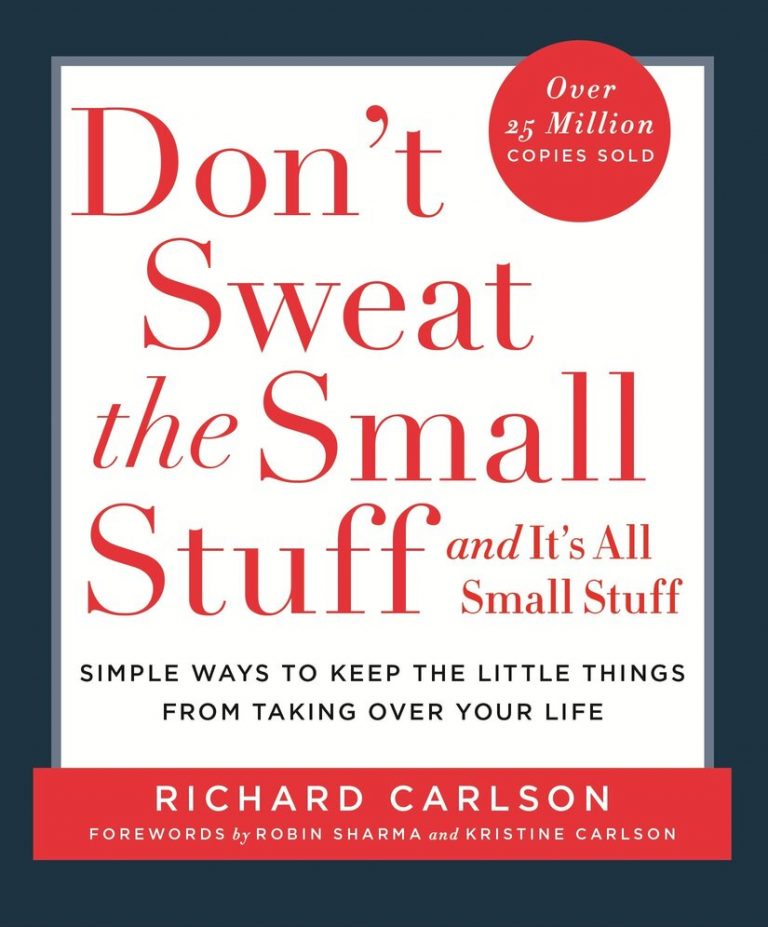
American author and Psychotherapist Richard Carlson shared 100 bit-sized recommendations for living a purposeful life. As a stress consultant, he found that life is not an emergency, and we could use the 100 recommendation to live life on our own terms, stop worrying excessively because, at the end of the day, most of the things we worry about are all small stuff. The sun would rise tomorrow, the wound would heal, and we would gain perspective with each life process. Not sweating the small stuff means you move from always reacting to gaining perspective, letting life flow as it would, stop resisting, and radically accepting the vicissitudes of life.

Favourite Takeaways – Don’t Sweat the Small Stuff
Print | Kindle(eBook) | Audiobook

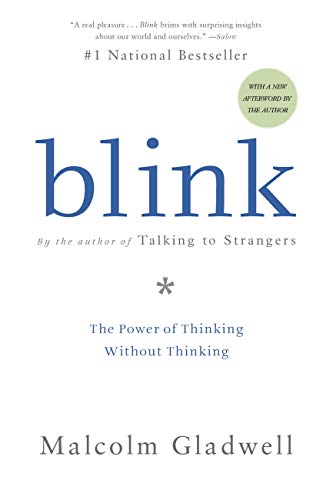
In Blink: The Power of Thinking Without Thinking, author Malcolm Gladwell explores how we think without thinking, about choices that seem to be made instantly in the blink of an eye-that actually aren’t as simple as they seem. Gladwell examines snap judgments, which are the split-second decisions we make unconsciously.

 Decisions made very quickly can be every bit as good as decisions made cautiously and deliberately.

Print | Kindle(eBook) | Audiobook

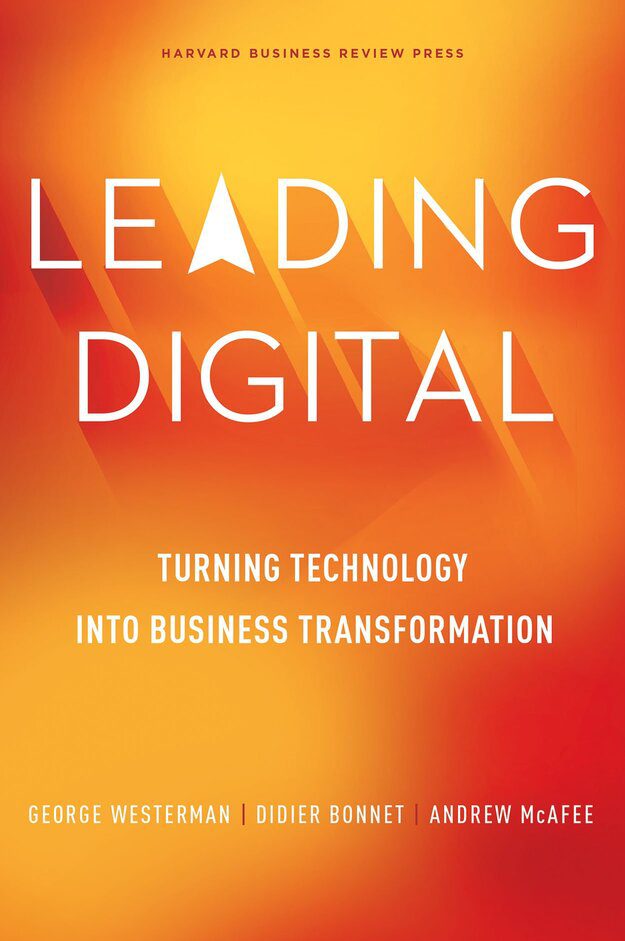
The Core theme of Leading Digital by George Westerman:

Within the next ten years, industries, economies, and probably entire societies will be transformed by a barrage of technologies that until recently have existed only in science fiction, but are now entering and reshaping the business world. Becoming a Digital Master is challenging, but there has never been a better time. The longer you wait, the more difficult it will become

In Leading Digital, authors George Westerman, Didier Bonnet, and Andrew McAfee highlight how large companies in traditional industries—from finance to manufacturing to pharmaceuticals—are using digital to gain strategic advantage. They illuminate the principles and practices that lead to successful digital transformation. Based on a study of more than four hundred global firms, including Asian Paints, Burberry, Caesars Entertainment, Codelco, Lloyds Banking Group, Nike, and Pernod Ricard, the book shows what it takes to become a Digital Master.

Here are my favourite take-aways from reading, Leading Digital by George Westerman, Didier Bonnet, and Andrew McAfee:

“Success is not the key to happiness. Happiness is the key to success.” – Albert Schweitzer

Print | Kindle(eBook) | Audiobook

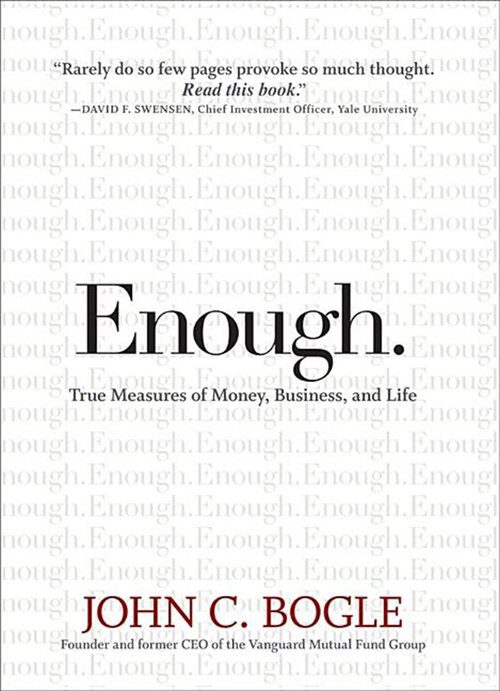
John C. Bogle, the late founder of the Vanguard Mutual Fund Group and creator of the first index mutual fund, in Enough: True Measures of Money, Business, and Life, examines what it truly means to have “enough” in a world increasingly focused on status and score-keeping. The book is divided into three sections: Money, Business, and Life.

The book begins with a great story that summarizes the theme of the book:

At a party given by a billionaire on Shelter Island, Kurt Vonnegut informs his pal, Joseph Heller, that their host, a hedge fund manager, had made more money in a single day than Heller had earned from his wildly popular novel Catch-22 over its whole history. Heller responds,“Yes, but I have something he will never have . . . enough.

“ The great game of life is not about money; it is about doing your best to join the battle to build anew ourselves, our communities, our nation, and our world.”

Print | Kindle(eBook) | Audiobook

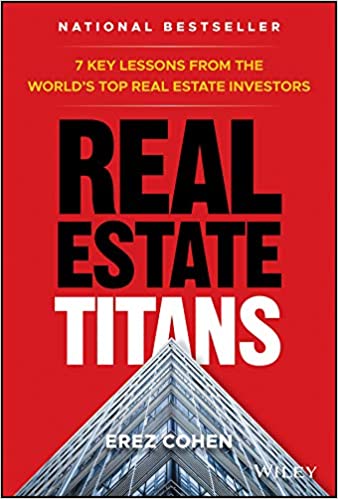
In Real Estate Titans, Erez Cohen interviews the world’s leading real estate investors such as Richard Mack, Urs Ledermann, Ronald Terwilliger, Gina Diez Barroso, Elie Horn, Richard Ziman, Robert Faith, Chaim Katzman, Rohit Ravi, Joseph Sitt, Carlos Betancourt. Cohen draws on his experience as a research and teacher’s assistant at Wharton Business School with an investment expert—and his mentor—Dr. Peter Linneman. The book shares advice and insights garnered by the real estate titans; they answer questions like what they would do if they are starting over in real estate, making the best real estate deals, prioritizing their time and routines for becoming successful in life and business.

Life-long learning and becoming the hardest worker in the room seems to be one of the recurring habits exhibited by the real estate investors interviewed in the book. Here are my favorite takeaways from reading, Real Estate Titans by Erez Cohen:

Print | Kindle(eBook) | Audiobook

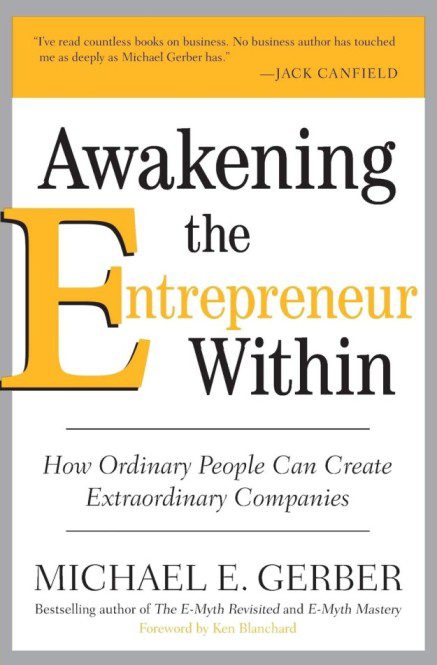
Author and founder of E-Myth Worldwide, Michael E. Gerber, shares with the readers how to go from dreaming about owning a business to actually owning it by Awakening the Entrepreneur within them. Michael E. Gerber is the author of the NY Times bestseller “The E-Myth Revisited” and nine other worldwide best-selling E-Myth books concerning small business entrepreneurship, leadership, and management.

Here are my favorite takeaways from reading, Awakening the Entrepreneur Within by Michael E. Gerber:

Print | Kindle(eBook) | Audiobook

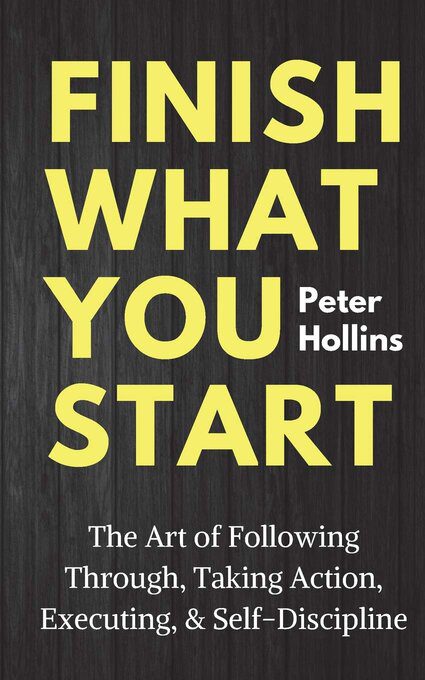
We all fall into the temptation of procrastinating what we start but fail to finish. We misplace our priorities, we fail to delay gratification, we do not exercise our free will and self-discipline. Hence we continuously fail to execute on our ideas and fail to follow through. Author Peter Hollins shares strategies and tactics to deal with procrastination by following through, taking action, executing, and using self-discipline to honor our commitments and resolutions.

Too often, we’ll say we’ll do something, and we might even start it one lucky weekend. But at the first sign of hardship, fatigue, boredom, or busyness, we abandon it all too easily, and it sits in our garage (mental, figurative, or literal) for the rest of eternity.

Finishing what you start and following through is breaking through that common loop and taking hold of your life.

Here are my favourite take-aways from reading, Finish What You Start by Peter Hollins:

Digital transformation is not about technology—it is about strategy and new ways of thinking. Transforming for the digital age requires your business to upgrade its strategic mindset much more than its IT infrastructure.

Print | Kindle(eBook) | Audiobook

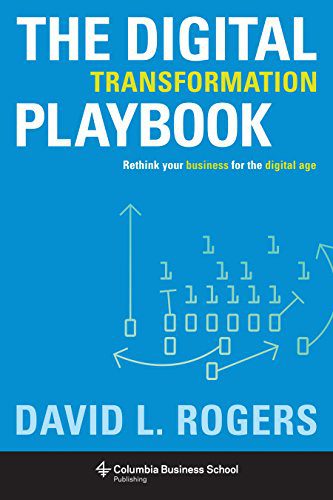
It is not a matter of if; it is a matter of when; you either disrupt or be disrupted. David L. Rogers, Faculty Member at the Columbia Business School, argues in “The Digital Transformation Playbook” that Digital Transformation is not about updating your technology but about upgrading your strategic thinking. Digital is disrupting old business models. It is also creating new ones; the book’s main premise is that to succeed amidst the digital revolution requires constant re-invention, leadership, thinking strategically, and thinking in a new way.

Digital transformation is fundamentally not about technology but about strategy. Although it may require upgrading your IT architecture, the more important upgrade is to your strategic thinking.

He sights various examples of organizations that have been able to think more strategically by implementing top notch digital strategy to stay relevant in the digital age. For example, Encyclopædia Britannica vs Microsoft Encarta, Apple vs Nokia, Blockbuster vs Netflix, Traditional Bookstores vs Amazon.

Here are my favourite take aways from reading, The Digital Transformation Playbook by David L. Rogers:

People with a growth mindset tend to think of their intelligence as flexible and able to be expanded with knowledge, effort, and practice. While people with a fixed mindset see intelligence within boundaries, those with a growth mindset view their potential as boundless.

Print | Kindle(eBook) | Audiobook

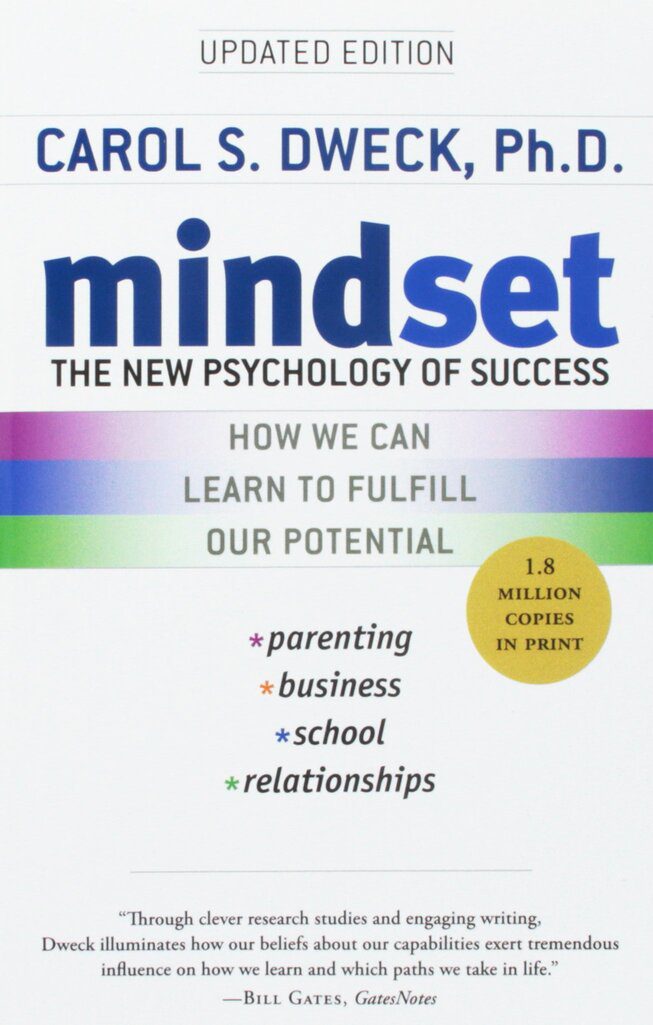
In Mindset: The New Psychology of Success, Stanford University psychologist Carol Dweck shares insights she garnered from decades of research on achievement and success. According to Dr Dweck, there are two types of mindset: Fixed and Growth Mindset. The people with a growth mindset strive to become a better version of themselves, and they believe that with effort and continuous improvement, they would become successful. The people with a fixed mindset believe that their qualities are carved in stone, which creates an urgency to prove themselves repeatedly.

fixed mindset comes from the belief that your qualities are carved in stone. growth mindset comes from the belief that your basic qualities are things you can cultivate through effort.

Here are my favourite take-aways from reading, Mindset: The New Psychology of Success by Dr. Carol Dweck:

Print | Kindle (eBook) | Audiobook

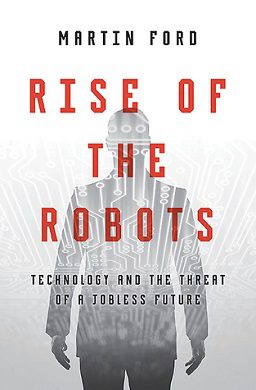
American Futurist Martin Ford highlights the threat technological automation poses to the world of work. The main thesis of the rise of robots is that accelerating technology is likely to increasingly threaten jobs across industries and at a wide range of skill levels. If such a trend develops, it has important implications for the overall economy. As jobs and incomes are relentlessly automated away, the bulk of consumers may eventually come to lack the income and purchasing power necessary to drive the demand that is critical to sustained economic growth.

The book was a New York Times bestseller and it was also named the 2015 Financial Times and McKinsey Business Book of the Year Award.

Print | Kindle(eBook) | AudioBook

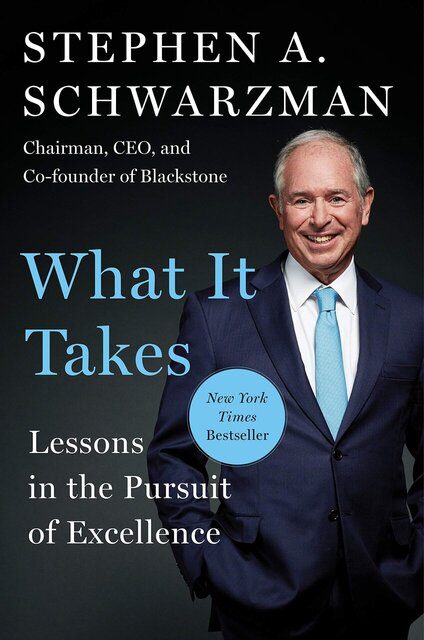
What It Takes is a biographical book by Stephen A. Schwarzman, Chairman, CEO, and Co-Founder of Blackstone, one of the world’s leading investment firms with over $500 billion in assets under management.  Schwarzman is the billionaire philanthropist who founded Schwarzman Scholars, this century’s version of the Rhodes Scholarship, in China.

After starting his finance career with a short stint at U.S. investment bank Donaldson, Lufkin & Jenrette, Schwarzman began working at Lehman Brothers, where he ascended to run the mergers and acquisitions practice. He eventually partnered with his mentor and friend Pete Peterson to found Blackstone, vowing to create a new and different kind of financial institution.

Here are my favourite take-aways from reading, What It Takes: Lessons in the Pursuit of Excellence by Stephen A. Schwarzman:

Print | Kindle (eBook) | Audiobook

Sunil Gupta is the Edward W. Carter Professor of Business Administration and co-chair of the executive program on Driving Digital Strategy at Harvard Business School.  The Driving Digital Strategy book is a comprehensive guide on how organizations can take full advantage of the limitless opportunities the digital age provides.

The book shows through a broad range of examples, how organizations are going about their digital transformation. Sunil compiles case studies and best practices from companies that have reinvented their businesses and provides a framework that can help in the process of an all-encompassing digital strategy while leading your entire organization through the transformation process.

Here are my favourite take-aways from reading, Driving Digital Strategy: A Guide to Reimagining Your Business by Sunil Gupta:

“Most history is guessing, and the rest is prejudice.”

Print | Kindle(eBook) | Audiobook

The Lesson of History is a great book that distills the themes and lessons observed from 5,000 years of world history. The book is by the Husband and Wife pair of  William and Ariel Durant, historians and winners of the 1968 Pulitzer Prize for General Nonfiction for their 11-volume book, The Story of Civilization.

 The major lesson of history, according to the Durants: Human Nature has not really changed, but Human behavior has evolved. The Lessons learned from history were examined from 12 perspectives:

  • geography, biology, race, character, morals, religion, economics, socialism, government, war, growth and decay, and progress.

Here are my favourite takeaways from reading, The Lessons of History by Will and Ariel Durant.

“The present is the past rolled up for action, and the past is the present unrolled for understanding”

Print | Kindle(eBook)

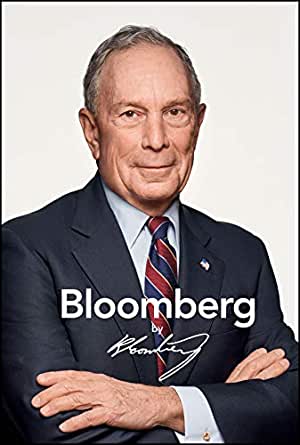
Bloomberg by Bloomberg is the autobiography of American Businessman and Politician Micheal Bloomberg. He is the majority owner and co-founder of Bloomberg L.P. He was a three-term New York City Mayor from 2002 to 2013 and was a candidate for the 2020 Democratic nomination for the United States president. According to Forbes, Bloomberg is the 16th-richest man globally, with a net worth of $USD 59 billion as of March 13, 2021.

He got his start in 1966 on Wall Street at investment bank Salomon Brothers selling stocks. He rose to become a general partner at the firm but was fired in 1981, after Phibro Corporation bought Salomon Brothers. Bloomberg was paid $10 million for his equity stake in Salomon Brothers, and he used the windfall to start his firm Bloomberg L.P.

Bloomberg by Bloomberg is a great book by a hardworking successful entrepreneur and he shares his thought process, philosophy, management style, keys to becoming successful, his highs and lows. The book is a great read and I would recommend it highly for every aspiring and budding entrepreneur. Lots of insights, nuggets, words of wisdom and practical lessons for navigating life and dealing with the challenges of business.

“Our greatest challenge today? Fighting the stultifying effects of success, the paralyzing results of growth, the debilitating cancer of entrenchment.”

Here are my favourite takeaways from reading, Bloomberg by Bloomberg:

“My life has been filled with terrible misfortune; most of which never happened.”Michel de Montaigne

Print | Kindle(eBook) | Audiobook

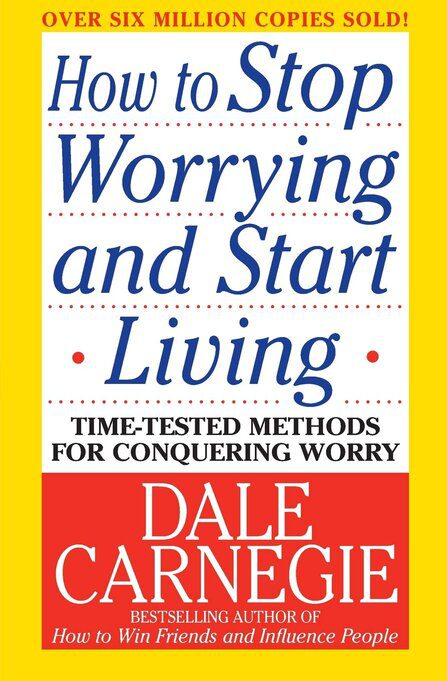
90% of the things we worry about usually do not happen, but we worry and fret anyway. Most things in life are transient. Cherish the good times, for they would not last forever, and do not sweat the tough times as they also won’t last forever. No one has a problem-free life, murphy’s law is always around the corner, “Anything that can go wrong will go wrong.” In How to Stop Worrying and Start Living, Author Dale Carnegie shares some great insight on managing worry, dealing with the vicissitudes of life, and living a life filled with joy and happiness.

Take therefore no thought for the morrow; for the morrow shall take thought for the things of itself. Sufficient unto the day is the evil thereof.

Here are my favourite take-aways from reading, How to Stop Worrying and Start Living by Dale Carnegie.