The object of education is not to fill a man’s mind with facts; it is to teach him how to use his mind in thinking. And it often happens that a man can think better if he is not hampered by the knowledge of the past.
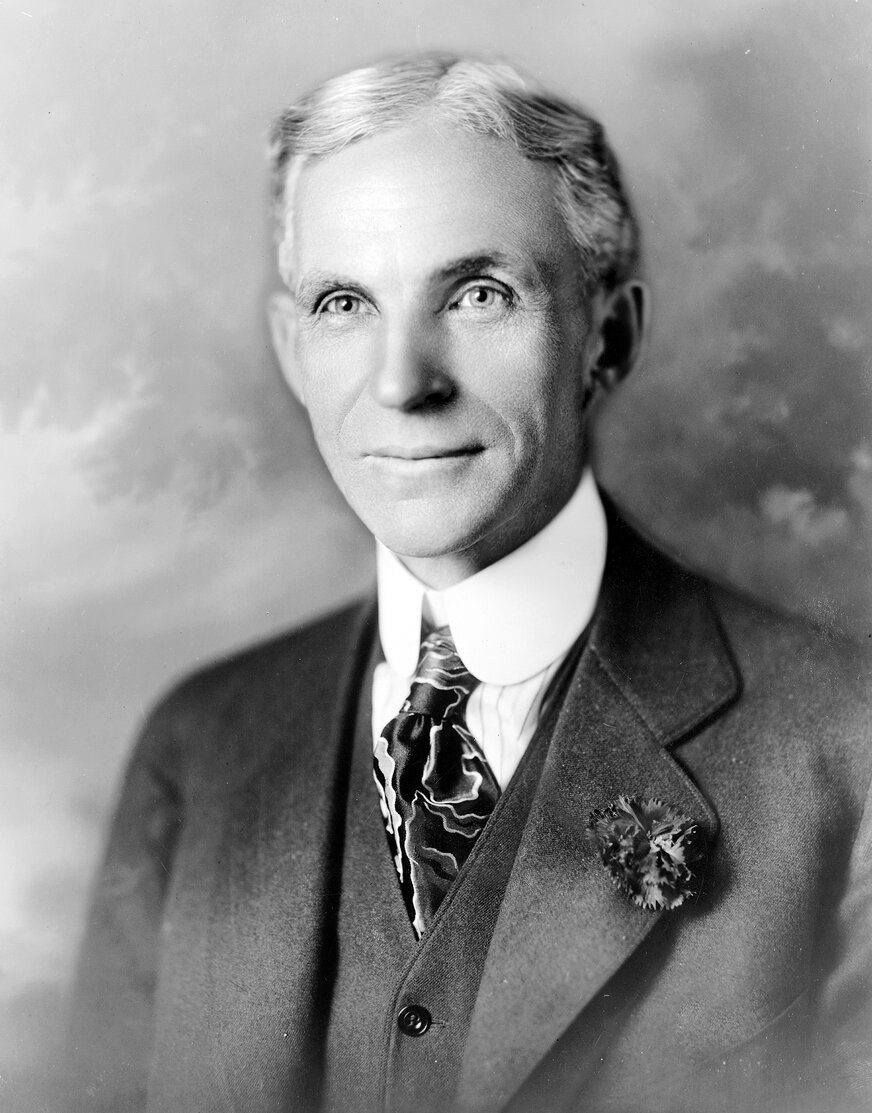
The founder of Ford Motor Company, Henry Ford is considered one of the most influential and successful entrepreneurs in the 20th century. He developed the assembly line mass production system and introduced the Model T in 1908 as the first affordable automobile for the masses.
In his autobiography: My Life and Work, he made some salient points about schooling, knowledge and Education. He also writes about his suspicion for so-called experts and not hiring them. He writes:
What information consumes is rather obvious: it consumes the attention of its recipients. Hence a wealth of information creates a poverty of attention and a need to allocate that attention efficiently among the overabundance of information sources that might consume it. – Hebert Simon
Your priority determines what you pay attention to and give the utmost importance to. American author and motivational speaker Tony Robbins often say “Energy flows where attention goes.” The difference between successful people and non-successful is how they spend their time and what they prioritize. Priority is derived from the old french word Priorite, from the latin Prioritas. Morphologically it contains the word: Prior + ity. It means the importance placed on an activity, item, event, person, or situation. A priority is something you do first, you do it prior to doing any other thing. It is of utmost importance, it affects your bottom line, it affects your well-being, and it affects your choices and decisions.
The reason most goals are not achieved is that we spend our time doing second things first.- Robert J. McKain
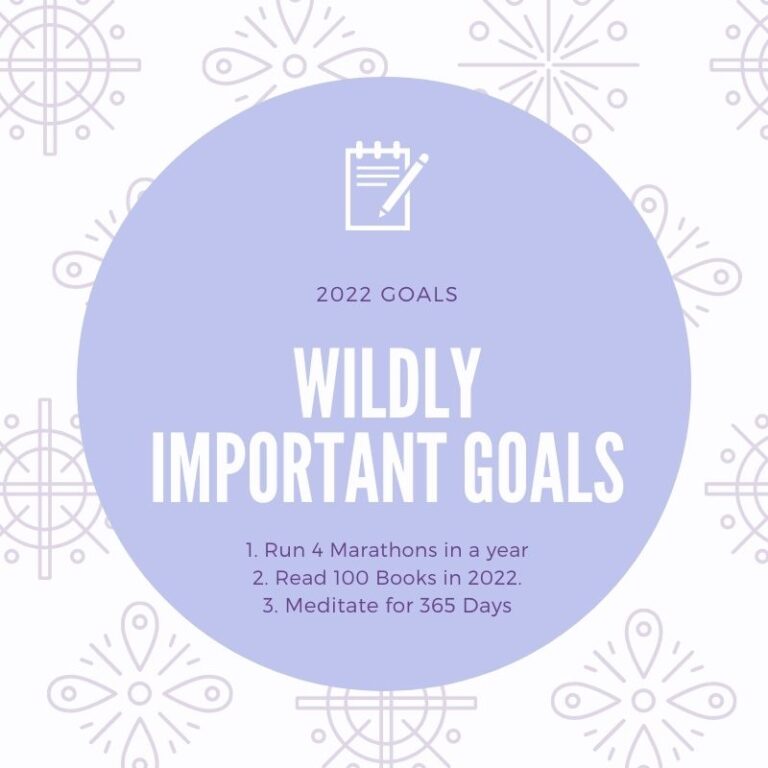
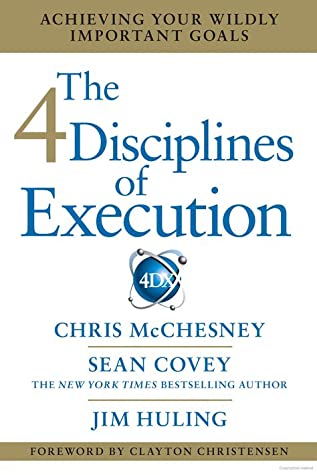
In the book, The 4 Disciplines of Execution: Achieving Your Wildly Important Goals, authors Chris McChesney, Sean Covey, and Jim Huling define Wildly Important Goals (WIG) as the goals you must achieve with total excellence beyond the circling priorities of your day-to-day. To succeed, you must be willing to make the hard choices that separate what is wildly important from all the many other merely important goals on your radar. Then, you must approach that WIG with focus and diligence until it is delivered as promised, with excellence.
Human beings are genetically hardwired to do one thing at a time with excellence.
Focusing on the wildly important means narrowing the number of goals you are attempting to accomplish beyond the day-to-day demands of your whirlwind.
A wildly Important Goal is the goal that matters most. Failure to achieve it will make every other accomplishment seem secondary, or possibly even inconsequential.
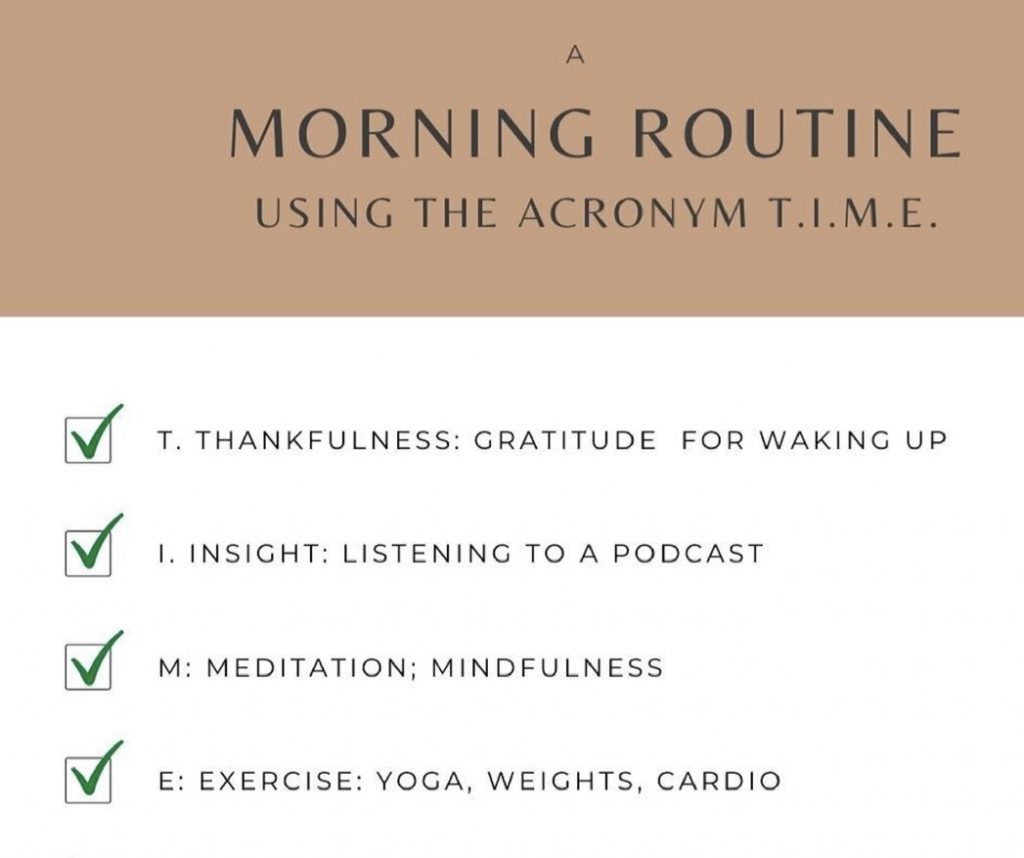
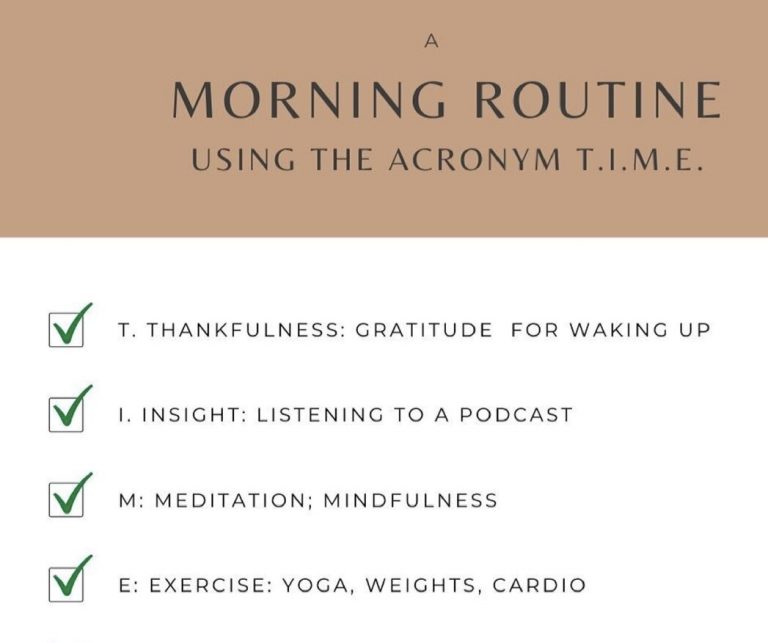
Thankfulness: I start my day by filling out the gratitude journal.
Insight: I listen to audiobooks, watch documentaries, and read books, magazines, and reports to stay sharp and informed.
Meditation: I meditate for 30 minutes in the morning before I start the day. Starting the day with meditation gets me centered and in equanimity with what matters.
Exercise: I engage in a five-minute guided stretch in the morning and work out for 2 hours in the gym after work.
I have been experimenting with the TIME framework since October 2021 and it has allowed me to stay centered, and focus on my wildly important goals daily.
If you don’t design your own life plan, chances are you’ll fall into someone else’s plan. And guess what they have planned for you? Not much. – Jim Rohn
Review your goals constantly to remind you of your most important goals
Reviewing your goals and motivations will keep you ideating, self-checking, and analyzing. And that will up your resolve and stimulate creative problem-solving. He breaks goal reviews into three separate reviews: daily, weekly, and quarterly.
Daily Review
One of the main challenges we face with reaching our goals is losing track of them. We get distracted and sidetracked by life, and they slip out of focus. We can lose months of the year before we realize we’re not making progress. A regular goal review process can fix that problem.
Weekly Review
Next is the weekly review. It goes a bit deeper and takes a bit longer about twenty minutes. A weekly review keeps those key motivations present in our minds. When we’re in the thick of it, it can be hard to recall. But when we’re reviewing our rationale week in and week out, the reasons become so internalized, we know what’s at stake.
Quarterly Review
Quarterly goal setting naturally leads to a deeper review every three months. In the quarterly review process, at least five options are possible:
Rejoice
Recommit
Revise
Remove
Replace
look at the four quarterly review options as a decision tree:
▶ REJOICE if you’ve reached your goal/milestone. If you’re not there yet,
▶ Then RECOMMIT to achieve it. If you can’t recommit,
▶ Then REVISE the goal so you can achieve it. If you can’t revise,
▶ Then REMOVE the goal from your list. If you remove a goal,
▶ Then REPLACE it with another you want to achieve.
If you do not set your priorities daily, you would fall into other people’s plans and expectations. If you don’t have your goals and aspirations, others would use you to get their goals achieved. By setting a widely important goal daily, you would re-order your priorities, be reminded of what really matters, and be in a better position to achieve your dreams.
Set your intentions and goals daily, review them daily, restrategize, recalibrate and most importantly “Start with Why”. Achieving any worthwhile goal is challenging and tough but with hard work, dedication and discipline, you can achieve anything you set your sight on. As author Naopleon Hill once observed: “What the mind of a man can conceive and believe, it can achieve.”
All the Best in your quest to get Better. Don’t Settle: Live with Passion.
A routine is a habitual or mechanical performance of an established procedure. In computer parlance, a routine is a sequence of computer instructions for performing a particular task. 1 The word routine is etymologically derived from two words route + one from the french routine “usual course of action, beaten path”, from route “way, path, course” + noun suffix -ine. 2 It is the customary course of action, more or less mechanical performance of certain acts or duties.
Show me your routine and I would show you who you are. How you do anything is how you do everything. As ancient Greek philosopher Aristotle once said “We are what we repeatedly do. Excellence, then, is not an act, but a habit.” Your routine grounds and routes you. One of the major hallmarks of highly successful people is their daily routine. They show up daily, do first things first, they work in accordance with their priorities, value, and mission.
We are what we repeatedly do. Excellence, then, is not an act, but a habit. – Aristotle
In his book, Think Like a Monk: Train Your Mind for Peace and Purpose Every Day, English author and former Hindu monk, Jay Shetty writes about the power of routine. He noted “Location has energy, Time has memory”. Jay describes how waking up early and mastering a morning routine can go a long way in making the best use of our time. He noted:
“Sleep researchers say 85 percent of us need an alarm clock to wake up for work. When we wake up before our bodies are ready, the hormone melatonin, which helps to regulate sleep, is usually still at work, which is one of the reasons we grope for the snooze button”
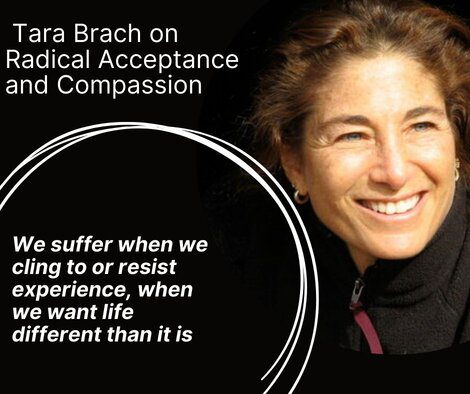
In her work, Brach expands on concepts and ideas such as RAIN, Buddhist meditation, Radical Acceptance and Radical Compassion, Loving Kindness, living in trace, Self-Care, Self-Compassion, Self-healing, Self-nurturing, among other life changing topics.
Newport describes Deep Work as the ability to focus without distraction on a cognitively demanding task. It’s a skill that allows you to quickly master complicated information and produce better results in less time. Deep work will make you better at what you do and provide the sense of true fulfillment that comes from craftsmanship. In short, deep work is like a superpower in our increasingly competitive twenty-first-century economy. And yet, most people have lost the ability to go deep—spending their days instead in a frantic blur of e-mail and social media, not even realizing there’s a better way.
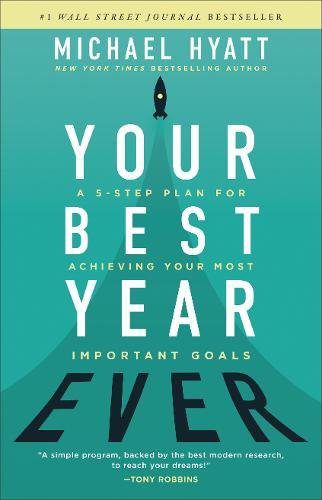
It is that time of the year again when we set New Years Resolutions. We resolve to change for the better, change or improve bad habits, achieve personal goals and make strides throughout the year. Like the snake, we strive to shed our old skin, like the caterpillar, we transform to become a butterfly. We set these goals yearly with great enthusiasm and pump at the start of the year but most of us begin to falter as the year goes by. We set goals such as losing weight, saving more money, become financially independent, maintain an healthy diet, exercise more, read more book, etc.
Creativity is the use of the imagination or original ideas, especially in the production of an artistic work. Creativity comes from the Latin term creare, “to create, make”. Creativity occurs when you take an idea from one state and you transform it into another form either by adding, subtracting, remixing, editing, or re-imagining it. We all have the potential to be creative if we develop our innate talent. It is in all of us, we all have ideas but the difference between does we call creative(s) and the consumer(s) is what they do with the idea. As American author, Leonardo Buscaglia once noted “Your talent is God’s gift to you. What you do with it is your gift back to God.”
Narcissism is a self-centered personality style characterized as having an excessive interest in one’s physical appearance and an excessive preoccupation with one’s own needs, often at the expense of others. 1 A narcissist is an individual showing symptoms of or affected by narcissism such as an extremely self-centered person who has an exaggerated sense of self-importance. A Narcissist has a bloated self-image/ego, ignores the needs of those around them.2 A bit of narcissism is not bad as it is sometimes needed for self-confidence. Although, too much obsession with oneself can lead to malignant or grandiose narcissism.
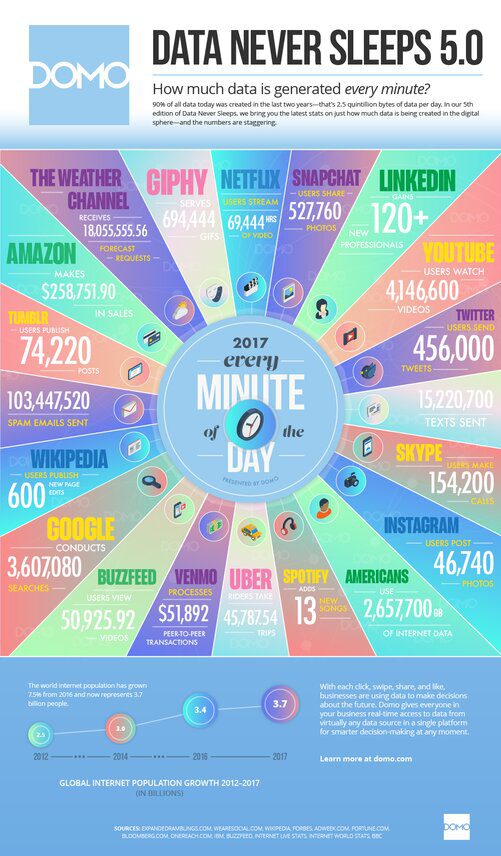
We are producing data at a very fast speed than we can consume it. We are bombarded daily by a deluge of notifications, news, feeds, pings, instant messaging, tweets, shares, stories, advertising etc. According to Domo’s Data Never Sleeps 5.0 infographic: “Data is on overdrive. It’s being generated at break-neck pace, flooding out of the dozens of connected devices we use every day, and it shows no signs of slowing down.” 90% of all data today was created in the last two years – that’s 2.5 quintillion byte of data per day.
90% of all data today was created in the last two years – that’s 2.5 quintillion byte of data per day.
One of the overarching benefit of dealing with information overload that we all seem to face is the ability to fully concentrate on what really matters and not been distracted by all the sound bites on social media, instant messaging and the like. Various authors have written beautifully on the subject of concentration, use of social and becoming indistractable. Here are some insights shared by my favourite authors on the these subject Matter.
The best lack all conviction, while the worst. Are full of passionate intensity. – W.B.Yeats, The Second Coming
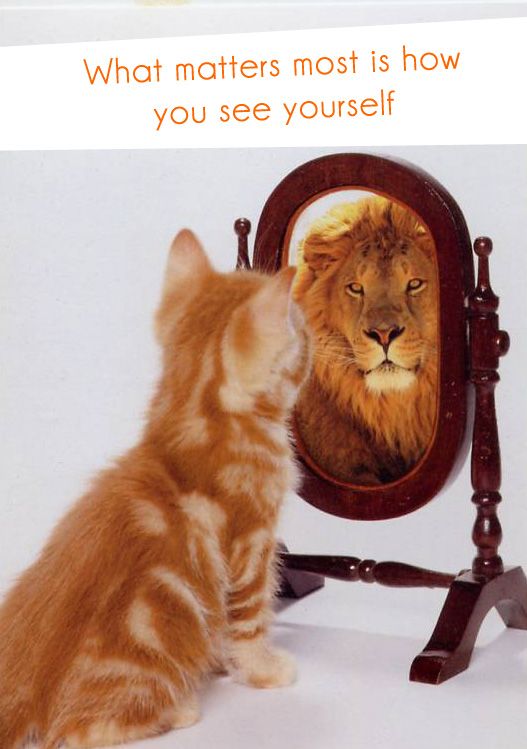
The Lake Wobegon Effect is the human tendency to over estimate one’s abilities or capabilities such as intelligence, sense of humour, driving skills, listening skills and other similar traits. The Lake Wagon Effect was introduced by American Physician and anti-smoking activist John Jacob Cannell, M.D. in a 1988 Educational Measurement (EM) summer issue. Cannell observed that most American states schools were scoring above average on nationally normed scoring achievement tests.
The Lake Wobegon reference is based on a fictional town created by American writer Garrison Keillor whose radio show “A Prairie Home Companion” had a segment called “News from Lake Wobegon”. In his NovelLake Wobegon Day (1985), Keillor describes a fictional town called Lake Wobegon : A place where all the women are strong, all the men are good-looking, and all the children are above average.
The Lake Wobegon Effect is similar to theDunning–Kruger effect, which is a cognitive bias in which people with low ability at a task overestimate their ability. Both are cognitive bias of illusory superiority and comes from the inability of people to recognize their lack of ability.
The whole problem with the world is that fools and fanatics are always so certain of themselves, and wiser people so full of doubts. – Bertrand Russell
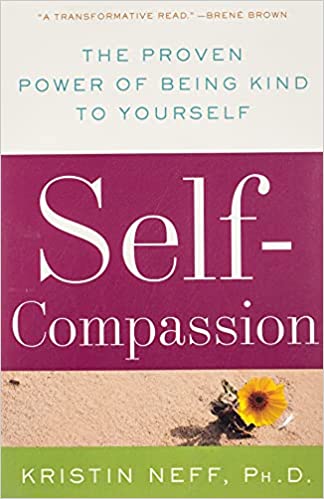
In her book Self-Compassion: The Proven Power of Being Kind to Yourself, Associate Professor of Educational Psychology at the University of Texas at Austin Kristin Neff, Ph.D. writes about this human tendency to Feel Better Than Others. She writes:
Garrison Keillor famously describes the fictional town of Lake Wobegon as a place where “all the women are strong, all the men are good-looking, and all the children are above average.” For this reason, psychologists sometimes use the phrase “Lake Wobegon effect” to describe the common tendency to think of oneself as superior to others on a long list of desirable personality traits. ”
“Research has shown that fully 85 percent of students think that they’re above average in terms of getting along with others, for instance. Ninety-four percent of college faculty members think they’re better teachers than their colleagues, and 90 percent of drivers think they’re more skilled than their road mates. Even people who’ve recently caused a car accident think they’re superior drivers! ”
“Research shows that people tend to think they’re funnier, more logical, more popular, better looking, nicer, more trustworthy, wiser, and more intelligent than others. Ironically, most people also think they’re above average in the ability to view themselves objectively.
Logically speaking, of course, if our self-perceptions were accurate, only half of all people would say they’re above average on any particular trait, the other half admitting they were below average. But this almost never happens. It’s unacceptable to be average in our society, so pretty much everyone wears a pair of rose-colored glasses, at least when they’re looking in the mirror. How else can we explain all those American Idol contestants with marginal talent who seem so genuinely shocked when they’re booted off the show?
It’s unacceptable to be average in our society, so pretty much everyone wears a pair of rose-colored glasses, at least when they’re looking in the mirror.
Former president of the University of Southern California, Steven B. Sample commented in his book The Contrarian’s Guide to Leadership:
The average person suffers from three delusions: that he/she is a good driver, that he/she has a good sense of humor, and that he/she is a good listener.
All the Best in your quest to get Better. Don’t Settle: Live with Passion.

We live in a fake it until you make it, a world where perception is everything. A world full of talkers than doers, we confuse motion for movement, a world where an entrepreneurial coach does not have or have never started a business, a lifeguard who has never swam, a Netflix-binging father imploring his son to read. Leadership is a verb, not a noun; leaders are doers. They say, “Do as I do, not do as I say.” They lead from the front; they are at the forefront of the battles, challenges and tribulations; they make the tough decisions and show courage during trials. They get their hands dirtied and noses bloodied.
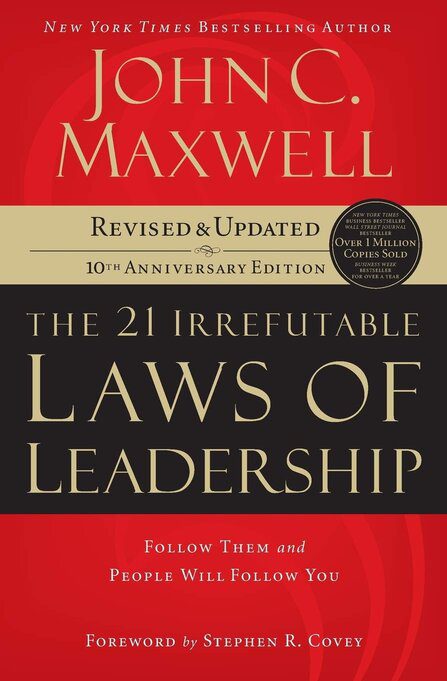
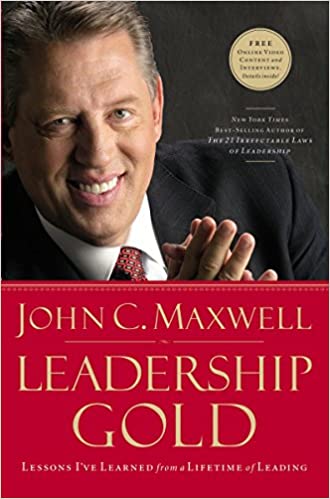
One of my favourite lessons learned from listening to and reading books by author and leadership expert John C. Maxwell is the analogy of being a tour guide instead of a travel agent. He writes about the concept in a couple of his books.
“Nothing is more confusing than people who give good advice but set a bad example.” – Norman Vincent Peale
“ Too many leaders are like bad travel agents. They send people places they have never been. Instead, they should be more like tour guides, taking people places they have gone and sharing the wisdom of their own experiences.”
In his book Good Leaders Ask Great Questions: Your Foundation for Successful Leadership, author John C. Maxwell noted that leaders lead from the front. He writes:
“Leaders, by definition, are out front. They take new territory and others follow them. Great leaders don’t merely send others out. They lead the charge. They’re more like tour guides than travel agents. They see opportunities, prepare to move forward, and then say, “Follow me.” When you see someone who is able to see opportunities and is willing to take good risks, pay attention. You may be looking at a leader.”
“There are a lot of people in the world who are willing to give advice on things they’ve never experienced. They are like bad travel agents: they sell you an expensive ticket and say, “I hope you enjoy the trip.” Then you never see them again. In contrast, good leaders are like tour guides. They know the territory because they’ve made the trip before, and they do what they can to make the trip enjoyable and successful for everybody.”
A leader’s credibility begins with personal success. It ends with helping others achieve personal success. To gain credibility, you must consistently demonstrate three things:
Initiative: You have to get up to go up.
Sacrifice: You have to give up to go up.
Maturity: You have to grow up to go up.
“If you show the way, people will want to follow you. The higher you go, the greater the number of people who will be willing to travel with you.”
Leadership is a Verb
Leaders are dealers in hope, they lead from the front, they believe in showing not telling.
Leadership builds up, not down. It is active, not passive, Leadership brings a smile, not a frown.
Leadership gives credit, not blame. It casts vision, not doubt, Leadership drives change, not same.
Leadership adds value, not clutter. It sees causes, not symptoms, Leadership ignites passion, not a sputter.
Leadership helps you swim, not drown. It is inspiring, not expiring, Leadership is a verb, not a noun.
“A leader is best when people barely know he exists, when his work is done, his aim fulfilled, they will say: we did it ourselves.” – Lao Tzu
All the Best in your quest to get Better. Don’t Settle: Live with Passion.
As long as you’re green, you’re growing. As soon as you’re ripe, you start to rot. – Ray Kroc
For most of us, our education stops the moment we finish formal schooling. From age 2 to probably 25, we attend various citadels of learning such as elementary, primary, secondary, higher institution, graduate school, vocational training school, etc. We get indoctrinated, instructed, programmed, our worldview gets shaped, we form lifelong relationships, even meet our future life partners or business partners in these institutions. But sadly for a lot of us, our learning atrophies because we confuse schooling with education.
Education is supposed to be lifelong, from cradle to death. The word “education” is derived from the Latin words ēducō, educate, educere and educatum. It means to bring forth, to draw out, to nourish. education is supposed to draw out our hidden talent which is latent in us. As American writer Mark Twain noted, “Don’t let your boy’s schooling interfere with his education.”
“Don’t let your boy’s schooling interfere with his education.” – Mark Twain
“We tend to conjure entirely the wrong images when we try to keep ourselves safe from those who commit horrors. Assaultive and violent sociopaths, though a small minority, constitute a compelling reason to raise our awareness of the sociopathic pattern.”
A Sociopath is someone without a conscience, they display antisocial behaviors, and it is used to describe someone with Antisocial Personality Disorder (ASPD). According to the Diagnostic and Statistical Manual of Mental Disorders, Fifth Edition (DSM-5), people with ASPD are individuals who habitually and pervasively disregard or violate the rights and consideration of others with remorse.
Sociopaths are everywhere; they could be our spouse, sibling, friend, neighbour, classmate, work colleague, religious leader, confidant, or even enemies. We tend to think that most people are normal but that is far from the truth. The sad reality is that there are evil and manipulative people lurking around our homes, offices, churches, mosques, and schools, disguised as sheep in human clothing, snakes in suits, etc. The daily news cycle is filled with stories of homicides: Patricide, Matricide, Fratricide, Filicide, Mariticide, Nepoticide, Prolicide, Sororicide, Uxoricide, domestic violence, Paedophilia, and other acts we can not imagine. One common denominator of these news stories is the shocked neighbour or colleague, who cannot believe that the individual can commit such despicable and outrageous acts of violence.
“Sociopathy is more than just the absence of conscience, which alone would be tragic enough. Sociopathy is the inability to process emotional experience, including love and caring, except when such experience can be calculated as a coldly intellectual task.”
“A leader is best when people barely know he exists. When his work is done, his aim fulfilled, they will say: we did it ourselves.” –Lao Tzu
I once read a great definition of Leadership which goes thus: “Leadership is unveiled by vision, driven by passion, engineered by sacrifice, activated by planning and actualized through tireless pursuit”. Ever since i read this definition of leadership, it has directed my outlook on leadership. A leader has the following attribute: Vision, Passion, ability to sacrifice for the common good, they are diligent planners and they are relentless executioners. Leadership is an inside out job, you can not give what you do not have, first within, then without.
Leadership is unveiled by vision, driven by passion, engineered by sacrifice, actualized by planning and activated through tireless pursuit
The major reason for the leadership crisis we have in the world today is as a result of outside-in Leadership. As Austrian-American management consultant and author Peter Drucker once quipped ““Only three things happen naturally in organizations: friction, confusion and underperformance. Everything else requires leadership.”
If you look to lead, invest at least 40% of your time managing yourself – your ethics, character, principles, purpose, motivation, and conduct. Invest at least 30% managing those with authority over you, and 15% managing your peers. – Dee Hock, Founder of VISA
Someone that has not led his household wants to lead a whole nation or multinational organization, someone that find it hard to lay his bed every morning wants to lead a team of professionals, we want to look outside of ourselves for leadership but as Swiss Psychoanalyst Carl Jung once quipped ” Your vision will become clear only when you can look into your own heart. Who looks outside, dreams; who looks inside, awakes.” The key to becoming a great leader requires leading yourself before trying to lead others and that involves developing a lot of self-awareness. It is a quality that is the hallmark of great leaders, entrepreneurs and self-starters. They fundamentally know that we get rewarded in public for what we diligently and relentlessly practice in private. If you can win your internal battles, you would be in the position to lead others in external battles.
“If you know the enemy and know yourself, you need not fear the result of a hundred battles. If you know yourself but not the enemy, for every victory gained you will also suffer a defeat. If you know neither the enemy nor yourself, you will succumb in every battle.” ― Sun Tzu, The Art of War
“Leaders are effective because of who they are on the inside—in the qualities that make them up as people. And to go to the highest level of leadership, people have to develop these traits from the inside out.” writes Leadership author John C. Maxwell in his book, The 21 Indispensable Qualities of a Leader: Becoming the Person Others Will Want to Follow, he further noted that:
Everything rises and falls on leadership. And leadership truly develops from the inside out. If you can become the leader you ought to be on the inside, you will be able to become the leader you want to be on the outside. People will want to follow you. And when that happens, you’ll be able to tackle anything in this world.
One of my favourite John Maxwell advice is that of becoming a tour guide instead of being a travel agent. He uses the travel industry as a metaphor for leadership
“Too many leaders are like travel agents – they want to send people where they’ve never been.” — John Maxwell
Travel agent sell the tickets and package to our travel destinations and most times they have never been to the destination. Whereas the tour guide show us the city, they go on the journey with us, they understand the terrain, history, cultural nuance of the city and destination they are showing us. Poor leaders often give their people direction without showing them how to get there. Great leaders lead the way and show their followers the route to their destination. By participating and leading the way, great leaders instill confidence in their people as they know their leader has got skin in the game.
The best way to find yourself is to lose yourself in the service of others. – Mahatma Gandhi
“True leadership means being able to think for yourself and act on your convictions.” American essayist and critic William Deresiewicz wrote in his 2010 essay: Solitude and leadership:
Unless you know who you are, how will you figure out what you want to do with the rest of your life? Unless you’re able to listen to yourself, to that quiet voice inside that tells you what you really care about, what you really believe in.
Leadership means finding a new direction, not simply putting yourself at the front of the herd that’s heading toward the cliff.
The Score Takes Care of Itself: My Philosophy of Leadership is a great book about the leadership philosophy of NFL’s greatest coach Bill Walsh, who was the head coach of the San Francisco 49ers and the Stanford Cardinal, where he won three NFC Championship titles, and three Super Bowls. I first heard about the book from watching Jack Dorseys 2013 Y Combinator’s Startup School talk where he spoke highly of the book and Leadership author John C. Maxwell refered to the book as one of his favourite book of Leadership.
A good leader is always learning. The great leaders start learning young and continue until their last breath.
Bill Walsh noted that teaching defines your leadership. He writes:
There are winners, and there are people who would like to be winners but just don’t know how to do it. Intelligent and talented people who are motivated can learn how to become winners if they have someone who will teach them.
Leadership, at its best, is exactly that: teaching skills, attitudes, and goals (yes, goals are both defined and taught) to individuals who are part of your organization. Most things in life require good teaching—raising a family and educating children, running a company or sales team, or coaching athletes—so it’s unfortunate that more people don’t spend the time and thought required to do it effectively.
The more you know, the higher you go. To advance in any profession, I believe it is imperative to understand all aspects of that profession, not just one particular area: Only expertise makes you an expert. A teacher gains expertise by seeking out great teachers, mentors, and other sources of information and wisdom in a relentless effort to add to his or her own knowledge.
Leaders are paid to make a decision. The difference between offering an opinion and making a decision is the difference between working for the leader and being the leader.
“What, then, are the characteristics of good leadership and of good management? On that subject, I have (surprise!) strong opinions, most of them formed in the crucible of my own six decades of business experience, including four decades as a leader—nine years as chief executive of Wellington Management, 22 years as chief of Vanguard, and (if you will) now nine years running Vanguard’s admittedly tiny Bogle Financial Markets Research Center, with its crew of three plus me. So here I speak from my own broad, firsthand, and often hard-won experience.”
Rule 1: Make Caring the Soul of the Organization Rule 2: Forget about Employees Rule 3: Set High Standards and Values—and Stick to Them Rule 4: Talk the Talk. Repeat the Values Endlessly. Rule 5: Walk the Walk. Actions Speak Louder than Words.
If you demand hard work, work hard. If you want your colleagues to level with you, level with them. It’s not very complicated!
Rule 6: Don’t Overmanage Rule 7: Recognize Individual Achievement Rule 8: A Reminder—Loyalty Is a Two-Way Street Rule 9: Lead and Manage for the Long Term Rule 10: Press On, Regardless
If there were a single phrase that best articulates the attitude of business leaders and managers who both deserve and reward a great workforce, it would be “press on, regardless.” It is a rule of life that has been a motto of my family for as long as I can remember, and has sustained me through times thick and times thin alike.
Amazon’s Leadership Principles
Leadership is not about your position or title, it is about the effect you have on people. A leader is a dealer in hope, possibility, visioning and leading the way. A leader is someone who knows the way, goes the way and shows the way. American civil rights movement leader Martin Luther King Jnr. once observed that “Everybody can be great…because anybody can serve. You don’t have to have a college degree to serve. You don’t have to make your subject and verb agree to serve. You only need a heart full of grace. A soul generated by love.” Leadership involves serving people, sacrificing for the greater good and helping people achieve their dreams, goals and aspirations.
You can have everything in life you want, if you will just help other people get what they want. – Zig Ziglar
1. The Rebel, driven by confidence. Gap: The Imposter who is so insecure they play havoc with their mind because they self -doubt.
2. The Explorer, fueled by intuition. Gap: The Exploiter who manipulates every chance they get just so you will not know how powerless they really feel.
3. The Truth Teller, embraces candor Gap: The Deceiver who is suspicious about everyone because they cannot trust themselves to speak the truth.
4. The Hero, embodies courage; Gap: The Bystander who is too fearful to be brave, too conservative to take a risk, and to cautious to take a stand.
5. The Inventor, brimming with integrity. Gap: The Destroyer who is corrupt and would rather watch great ideas die than get credit for them.
6. The Navigator, trusts and is trusted; The Fixer who is arrogant and a chronic rescuer no one trusts.
7. The Knight, loyalty is everything; Gap: The Mercenary who is self -serving and put their own needs before those of the team, the business or the organization.
There is a great poem that epitomizes what leadership is, it is about what you do and not really what you say. Leadership is a verb, not a noun.

Leadership builds up, not down. It is active, not passive, Leadership brings a smile, not a frown. Leadership gives credit, not blame. It casts vision, not doubt, Leadership drives change, not same. Leadership adds value, not clutter. It sees causes, not symptoms, Leadership ignites passion, not a sputter. Leadership helps you swim, not drown. It is inspiring, not expiring, Leadership is a verb, not a noun.
You Can Have Everything in Life You Want if You Will Just Help Enough Other People Get What They Want.- Zig Ziglar
Leadership involves sacrificing for the common good, self-leadership, self-awareness, service to humanity and leading the way. What the world need is more leaders who can exhibit courage and resilience in trying times. As Martin Luther King Jnr. noted “The ultimate measure of a man is not where he stands in moments of comfort and convenience, but where he stands at times of challenge and controversy.” There are going to be trying times, it is not a matter of if, it is a matter of when, every good would be tested. Whatever would go wrong would eventually go wrong. The ultimate test is how you handle the tough times. If you can lead your self successfully, leading others would not be that hard.
I don’t know what your destiny will be, but one thing I know: the only ones among you who will be really happy are those who will have sought and found how to serve. Albert Schweitzer
All the Best in your quest to get Better. Don’t Settle: Live with Passion.