Category

Book Summaries

Category

 
The best way to minimize the number of crucial conversations you have in life is to have a meaningless life. As soon as you go after something important, the crucial conversations will occur.

In Crucial Conversations: Tools for Talking When Stakes are High, authors Joseph Grenny et al share strategies and tools for having tough conversations especially when the stakes are high and emotions are running high. The book provides a toolkit for mastering high-stakes conversations, no matter the topic or the person.
Addiction is an outcome—not the only one possible, but a prevalent one—of childhood trauma.

In the Realm of Hungry Ghosts: Close Encounters with Addiction, Canadian physician, addiction expert and author DrGabor Maté argues that all addiction is a case of human development gone askew. The book is based on Dr. Matés’ experience as a medical doctor in Vancouver’s drug ghetto and on extensive interviews with his patients”.

“The question is never “Why the addiction?” but “Why the pain?”

 Addiction arises from out thwarted ability to ourselves, love others in the ways that we all need. Opening our heart is the path to healing addiction

A centered life is one that is grounded in your core values rather than changing based on the most recent trend, compliment, or outside expectation.

In Homecoming: Healing Trauma to Reclaim Your Authentic Self, clinical psychologist and ordained minister, Dr. Thema Bryant writes about how stress, trauma and unresolved grief gets us disconnected from our authentic self. As a survivor of sexual assault, racism, and evacuation from a civil war in Liberia, Dr. Thema knows firsthand what it means to be traumatized and the work required to reconnect with ones’ authentic self.

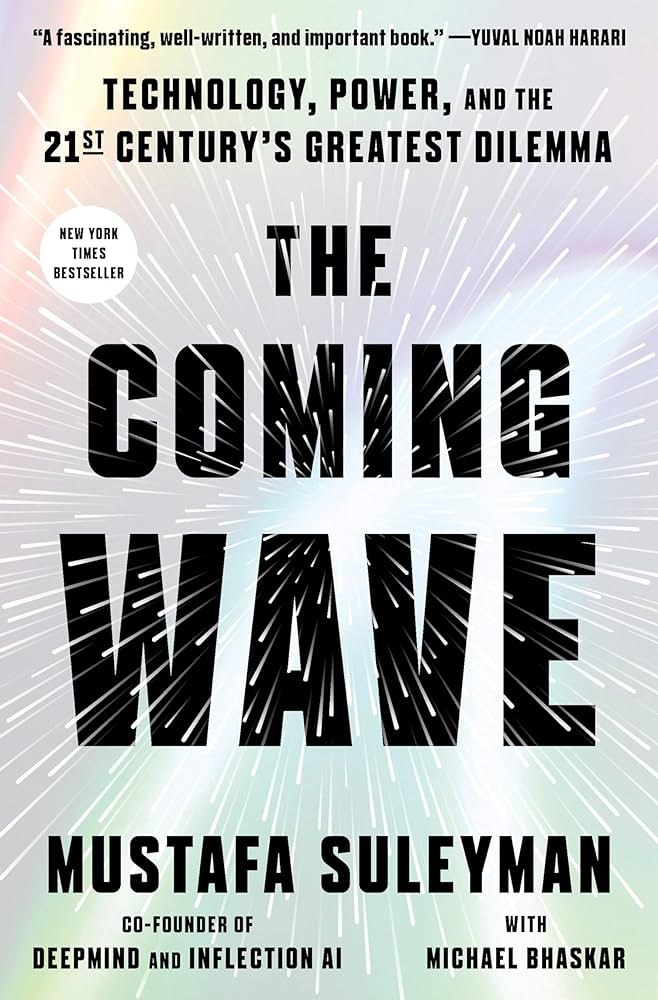
In The Coming Wave: Technology, Power, and the Twenty-first Century’s Greatest Dilemma, British AI entrepreneur, co-founder of DeepMind, and current CEO of Microsoft AI Mustafa Suleyman describes the unprecedented risk that artificial intelligence and other emerging technologies pose to our world moving forward. He sets out the existential dilemma of our times and describes how only “containment” can save us.

“From where we stand today, it appears that containing this wave—that is, controlling, curbing, or even stopping it—is not possible. This book asks why that might be true and what it means if it is. The implications of these questions will ultimately affect everyone alive and every generation that follows us.

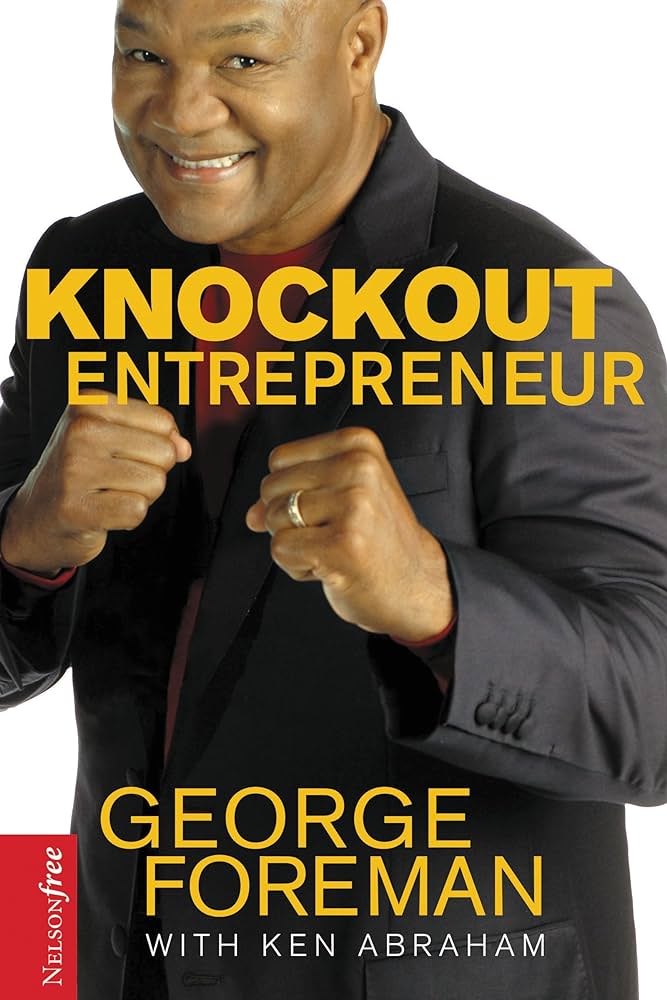
In Knockout Entrepreneur, two-time world heavyweight champion and entrepreneur George Foreman shares the principles that led to his extraordinary success in the ring and in business. He won his first world heavyweight title in 1973 by defeating then-undefeated Joe Frazier. When he returned to the ring in 1994, he became the oldest heavyweight champion in history at age 46 and 169 days old. As an entrepreneur, Foreman is famous for promoting the George Foreman Grill, which has sold more than 100 million worldwide.

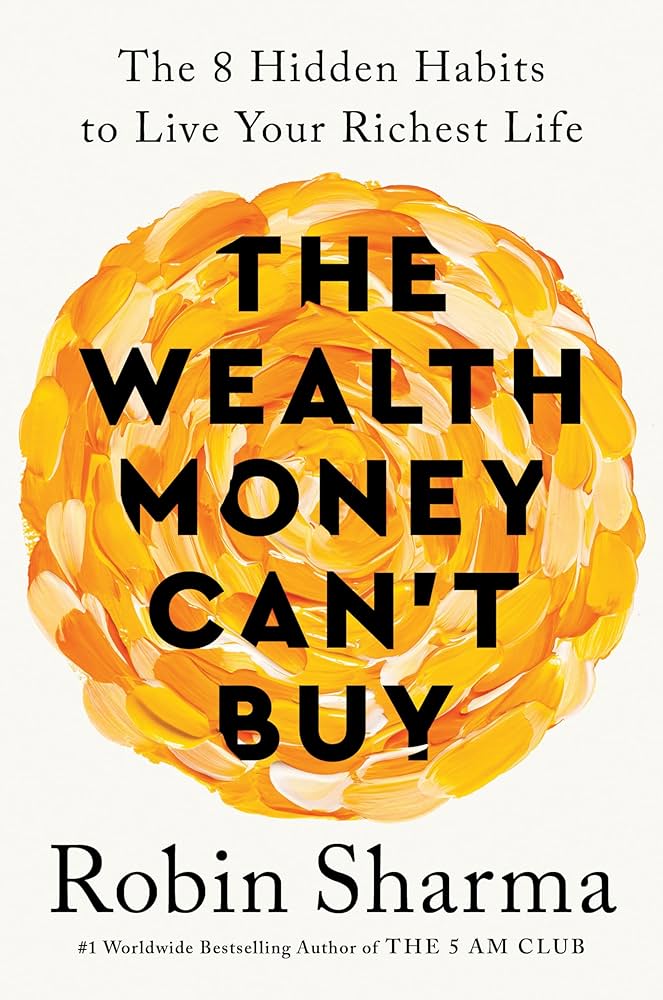
In The Wealth Money Can’t Buy: The 8 Hidden Habits to Live Your Richest Life, Canadian writer Robin Sharma shares a framework he learned from his private advisory clients: financial prosperity is only one of the eight forms of wealth. The Eight Forms of Wealth learning model is based upon eight hidden habits used by the world’s wealthiest people to lead a life of purpose and meaning. They include:

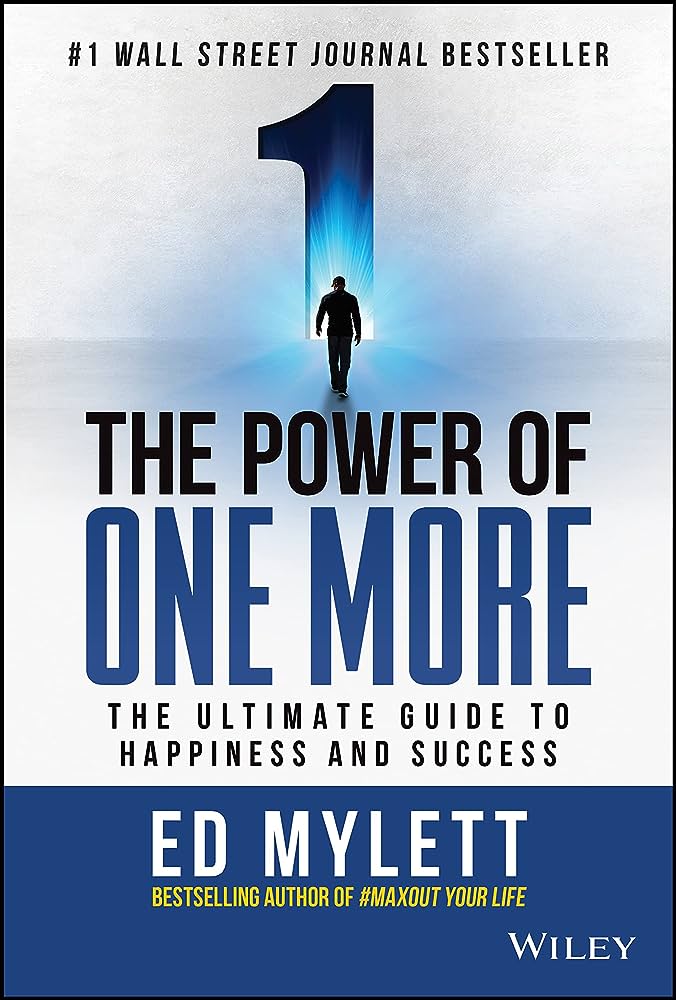
In The Power of One More: The Ultimate Guide to Happiness and Success, Entrepreneur and host of the Ed Mylett Show, Ed Mylett, provides a framework for making incremental improvements in our daily lives.  Ed’s father struggled with alcohol addiction, and he had tried many times to quit to no avail. But he eventually gave up drinking when Ed’s mum gave him an ultimatum :

“Either you get sober or lose your family. You won’t get another chance,”

That was the moment he knew he had to change, and he did. He embraced the Alcoholics Anonymous idea of living One More day sober. It became the entire premise of his life, and it is the core idea of “The Power of One More” book.

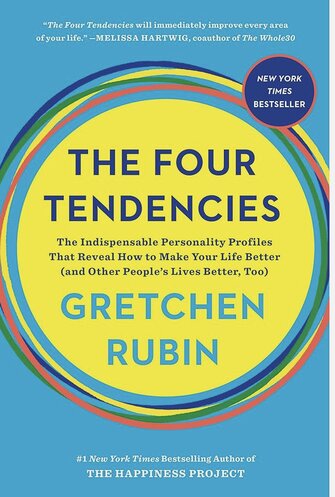
Based on a question she was curious about, “How do I respond to expectations?” author Gretchen Rubin discovered that people fit into Four Tendencies: Upholders, Questioners, Obligers, and Rebels. In The Four Tendencies: The Indispensable Personality Profiles That Reveal How to Make Your Life Better (and Other People’s Lives Better, Too), Gretchen provides a framework for understanding behavioural patterns and how we primarily respond to expectations.

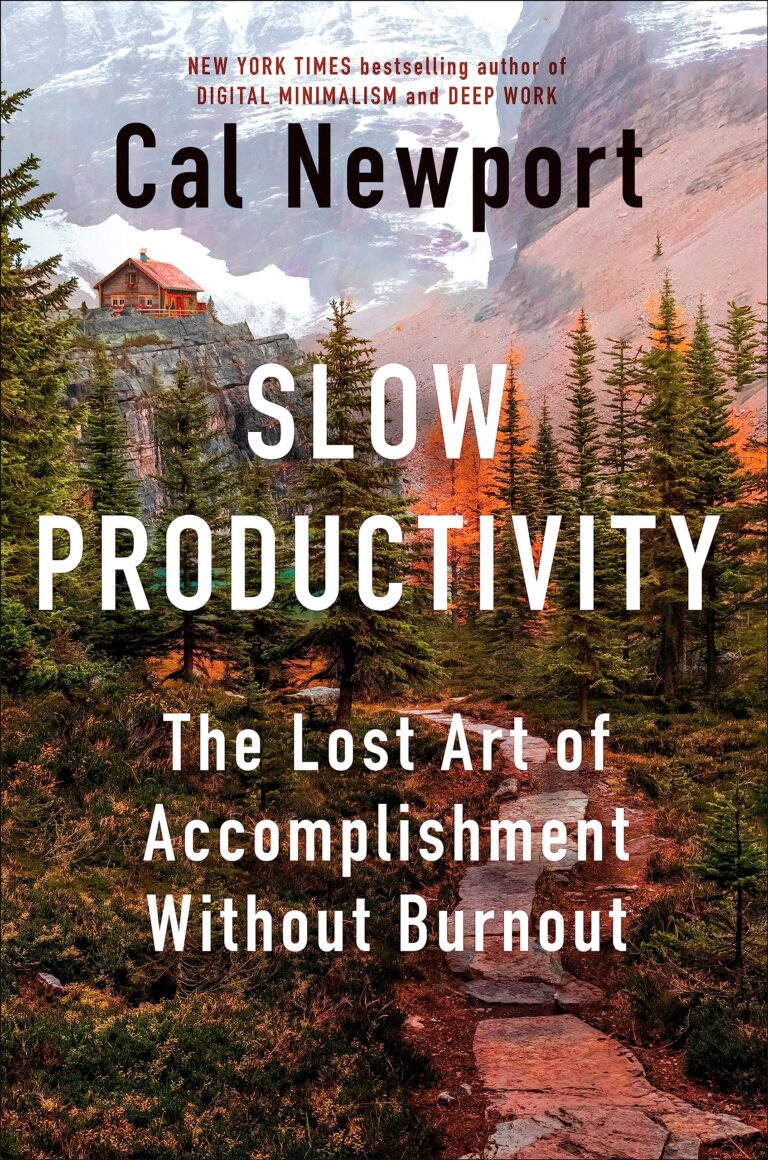
Computer Scientist and Best-Selling Author Cal Newport’s books have been very influential in my quest to use technology deliberately and be more productive. His book, Digital Minimalism: Choosing a Focused Life in a Noisy World, was pivotal in my decision to leave/reduce use of social media and Deep Work: Rules for Focused Success in a Distracted World is at the core of the framework by which I work daily. I am a religious listener of his Deep Questions with Cal Newport podcast, where he discusses strategies for cultivating focus, productivity, and meaning amidst the noise that permeates our lives.

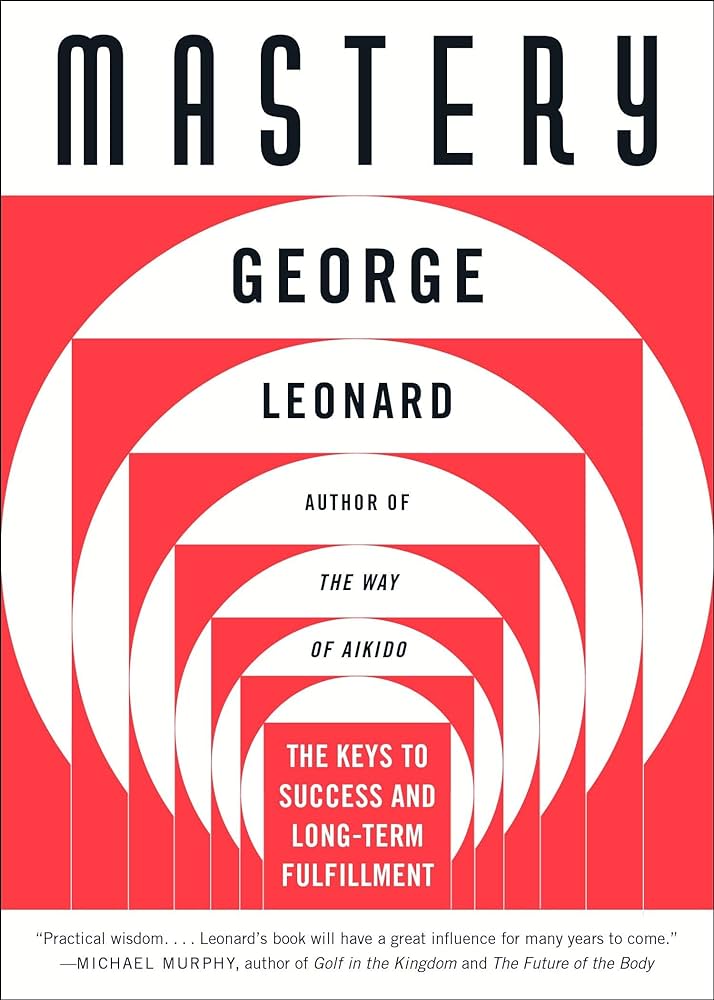
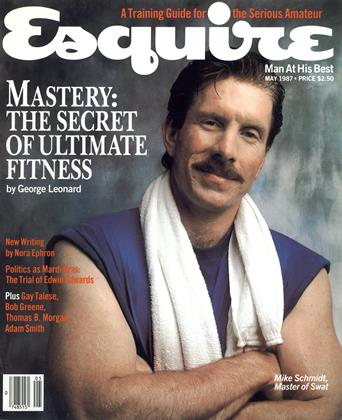
In his late 40s, American writer George Leonard took up the practice of aikido (modern Japanese martial art) and he went on to earn a a fifth-degree black belt. In Mastery: The Keys to Success and Long-Term Fulfillment, Leonard draws up his expertise in aikido and Zen philosophy to describe the process of mastery. He identified the five keys to mastery as instruction, practice, surrender, intentionality and the edge.

“If there is any sure route to success and fulfillment in life, it is to be found in the long-term, essentially goalless process of mastery.”

The book is based on Leonard’s 1987 Esquire Ultimate Fitness special, MASTERY: TAKING IT HOME – Its principles can be applied to anything in life that involves learning—even love. The subject of the special was mastery “the mysterious process during which what is at first difficult becomes progressively easier and more pleasurable through practice.” The purpose of the feature was to describe the path that best led to mastery, not just in sports but in all of life, and to warn against the prevailing bottom-line mentality that puts quick, easy results ahead of long-term dedication to the journey itself.”

Mastery: Tthe mysterious process during which what is at first difficult becomes progressively easier and more pleasurable through practice.

In What Got You Here Won’t Get You There: How Successful People Become Even More Successful!, executive coach Marshall Goldsmith identifies fundamental problems that often come with success–and offers ways to attack these problems. He outlines twenty habits commonly found in the corporate environment and provides a systematic approach to helping you achieve a positive change in behaviour.

The difference between success that happens because of our behavior and the success that comes in spite of our behavior

In Tribe of Mentors: Short Life Advice from the Best in the World, American entrepreneur, author and host of The Time Ferriss Show shares a compilation of tools, tactics, and habits from 130+ top performers. From iconic entrepreneurs to elite athletes, artists to billionaire investors, many of the people who answered the eleven questions posed by Tim have not been featured on his podcast yet as of the book’s writing.

Tim is also the author of five #1 New York Times and Wall Street Journal bestsellers: The 4-Hour Workweek, The 4-Hour Body, The 4-Hour Chef and Tribe of Mentors. The Tim Ferriss Show has exceeded 900 million downloads and has been selected for “Best of iTunes” three years running.

“If you light a lamp for someone, it will also brighten your own path.” – Ancient Buddhist Proverb

In One Minute Mentoring: How to Find and Work With a Mentor–And Why You’ll Benefit from Being One, authors Ken Blanchard and Claire Diaz-Ortiz share a fictional parable about the power of finding—or being—a mentor. They share a framework for maintaining a mentoring relationship.

In One Minute Mentoring, Ken and Claire tell the story of Josh Hartfield, a young sales rep whose motivation is flagging, and Diane Bertman, a sales executive whose crammed schedule isn’t delivering the satisfaction it once did. As the story of Diane and Josh unfolds, the authors share six action steps to creating a successful mentoring relationship, as developing and finding a mentorship partnership,  and strategies for skills and wisdoms of people of all ages.