Title: Deduct Everything!: Save Money with Hundreds of Legal Tax Breaks, Credits, Write-Offs, and Loopholes Author: Eva Rosenberg.
Eva Rosenberg, MBA, EA, known as the Internet’s TaxMama®, publishes the popular www.TaxMama.com website, cited by Consumer Reports magazine as a top tax advice site, and a LIFE Magazine Editor’s Pick. In Deduct Everything, Eva shares tips, tools, and strategies for saving money through legal tax breaks, credits, write-offs, and loopholes.
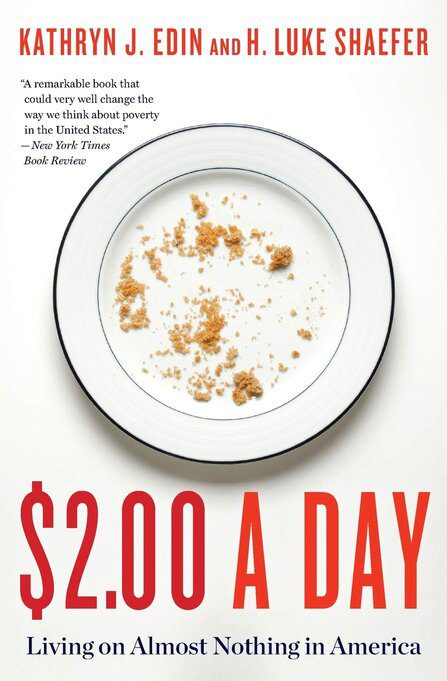
After two decades of brilliant research on American poverty, Kathryn Edin noticed something she hadn’t seen before – households surviving on virtually no cash income. Edin teamed with Luke Shaefer, an expert on calculating incomes of the poor, to discover that the number of American families living on $ 2.00 per person, per day, has skyrocketed to one and a half million households, including about three million children.
The authors argue that in-kind benefits like SNAP (food stamps) are important—even vital. Yet in 21st Century America, they are not enough—cash is critical. The book is about what happens when a government safety net that is built on the assumption of full-time, stable employment at a living wage combines with a low-wage labor market that fails to deliver on any of the above. It is this toxic alchemy, the authors argue, that is spurring the increasing numbers of $2-a-day poor in America.
A hidden but growing landscape of survival strategies among those who experience this level of destitution has been the result. At the community level, these strategies can pull families into a web of exploitation and illegality that turns conventional morality upside down.
“Stopping the war of perfection that’s happening in your head is just the first step. Once you’ve quit trying to be who you’re not, you can make an assessment of the things you’re doing with your life.”
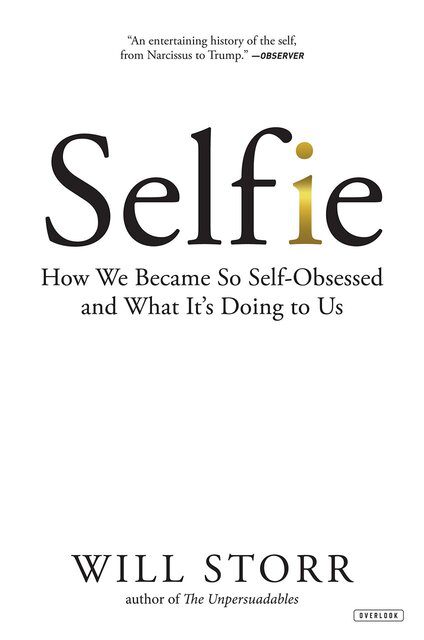
Journalist and novelist Will Storr takes the reader on a journey from the shores of Ancient Greece, through the Christian Middle Ages, to the self-esteem evangelists of 1980s California, the rise of narcissism and the “selfie” generation, and right up to the era of hyper-individualism in which we live now. Selfie tells the epic tale of the person we all know so intimately―because it’s us.
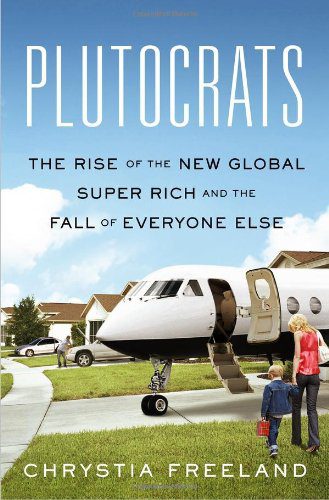
Plutocrats: The Rise of the New Global Super-Rich and the Fall of Everyone Else is a book by Journalist and Canadian Politician Chrystia Freeland. The book’s theme is economic inequality, lives of ultra-high-net-worth individuals, and the rise of the global super-rich.
“This book is about both economics and politics. Political decisions helped create the super-elite in the first place, and as the economic might of the super-elite class grows, so does its political muscle. The feedback loop between money, politics, and ideas is both cause and consequence of the rise of the super-elite. But economic forces matter, too. Globalization and the technology revolution—and the worldwide economic growth they are creating—are fundamental drivers of the rise of the plutocrats. Even rent-seeking plutocrats—those who owe their fortunes chiefly to favorable government decisions—have also been enriched partly by this growing global economic pie.”
“Self-esteem is the disposition to experience oneself as competent to cope with the basic challenges of life and as worthy of happiness.”
In the six pillars of self-esteem, Canadian–American psychotherapist and writer Nathaniel Branden introduces the six pillars-six action-based practices for daily living that provide the foundation for self-esteem-and explores the central importance of self-esteem in five areas: the workplace, parenting, education, psychotherapy, and the culture at large.
“The greater the number of choices and decisions we need to make at a conscious level, the more urgent our need for self-esteem.”
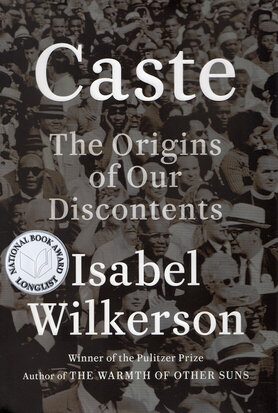
A caste system endures because it is often justified as divine will, originating from sacred text or the presumed laws of nature, reinforced throughout the culture and passed down through the generations.
In Caste: The Origins of Our Discontent, American journalist Isabel Wilkerson, describes racism in the United States as an aspect of a caste system – a society-wide system of social stratification characterized by hierarchy, inclusion and exclusion, and purity. Wilkerson delves into the origins and evolution of classifying and elevating one group of people over another and the consequences of doing so to the presumed beneficiaries and to those targeted as beneath them.
She compares the experience of African-Americans and other people of color in the United States to the caste system in India and the experience of the Jews in Nazi Germany. Wilkerson explores man’s inhumanity to fellow humans based on religious dogma, eugenics, Endogamy, politics, unconscious bias, etc. She defines eight pillars that underlie caste systems across civilizations including divine will, heredity, and dehumanization.
Everything that happened to the Jews of Europe, to African-Americans during the lynching terrors of Jim Crow, to Native Americans as their land was plundered and their numbers decimated, to Dalits considered so low that their very shadow polluted those deemed above them—happened because a big enough majority had been persuaded and had been open to being persuaded, centuries ago or in the recent past, that these groups were ordained by God as beneath them, subhuman, deserving of their fate.
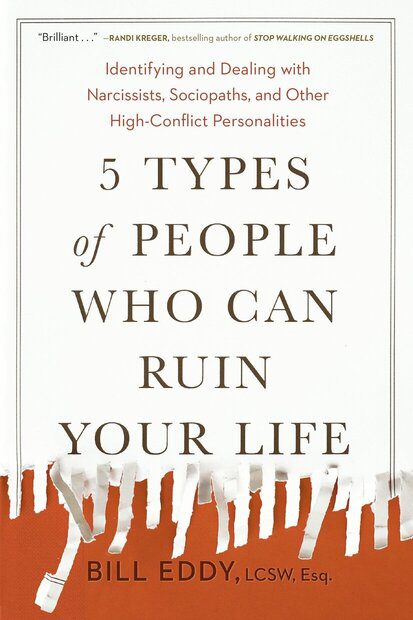
Title: 5 Types of People Who Can Ruin Your Life: Identifying and Dealing with Narcissists, Sociopaths, and Other High-Conflict Personalities
Author
Bill Eddy is a psychotherapist, lawyer, mediator, and the co-founder and president of High Conflict Institute (HCI) in San Diego. Bill has been studying high-conflict personalities from many perspectives for the past thirty years.
The Theme
Learning to recognize warning signs that most people ignore or don’t see—and then overriding your natural responses with actions based on your newfound wisdom about High-Conflict Personality (HCPs).
Never tell someone they are a high-conflict person, or that they have a personality disorder, no matter how obvious this may seem. They will see this as a life-threatening attack—and a valid reason to make you their central Target of Blame, perhaps for years to come. From their viewpoint, it will be as if you’d said, “Please do everything you can to ruin my life.
“For the same reason, never use your belief that someone is an HCP as a weapon against them.”
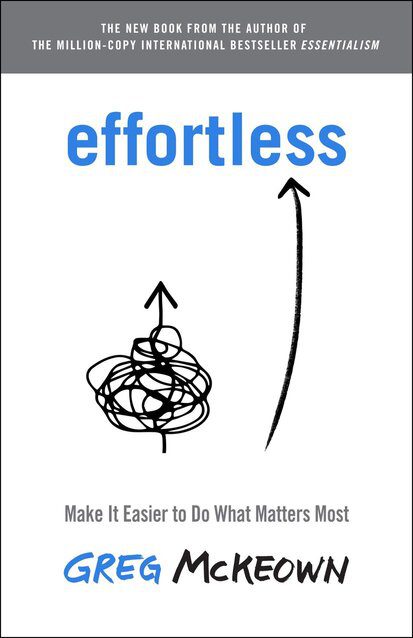
Essentialism by Greg McKeown is one of my favorite productivity books, which explored living by design, not by default. The book goes in-depth on how to relentlessly pursue less and concentrate on what really matters. Effortless offers actionable advice for making the most essential activities the easiest ones, so you can achieve the results you want, without burning out.
Essentialism was about doing the right things; Effortless is about doing them in the right way.
Effortless
It’s about a whole new way to work and live. A way to achieve more with ease—to achieve more because you are at ease. A way to lighten life’s inevitable burdens, and get the right results without burning out.
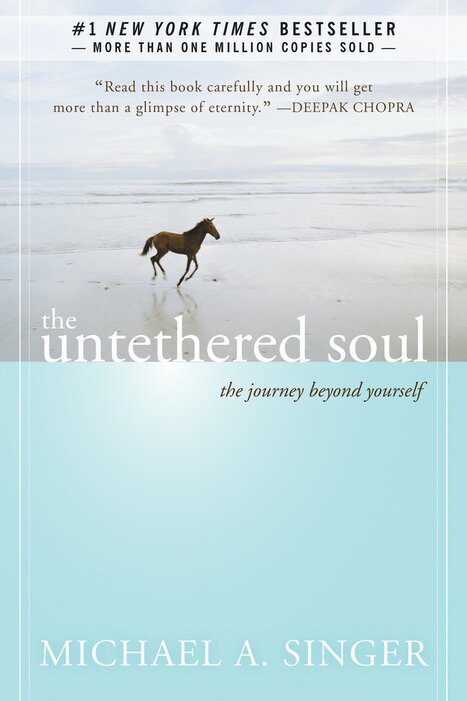
By tapping into traditions of meditation and mindfulness, author and spiritual teacher Michael A. Singer shows how the development of consciousness can enable us all to dwell in the present moment and let go of painful thoughts and memories that keep us from achieving happiness and self-realization.
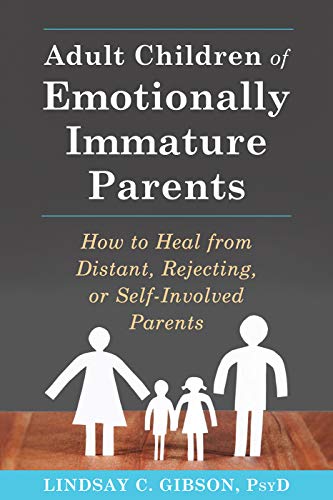
Title: Adult Children of Emotionally Immature Parents: How to Heal from Distant, Rejecting, or Self-Involved Parents Author: Lindsay C. Gibson PsyD
Adult Children of Emotionally Immature Parents describes how emotionally immature parents negatively affect their children, especially children who are emotionally sensitive, and shows you how to heal yourself from the pain and confusion that come from having a parent who refuses emotional intimacy. Clinical Psychologist Lindsay Gibson exposes the destructive nature of parents who are emotionally immature or unavailable.
By focusing on your own self-development, you can get on the road to freedom from emotionally immature relationships
“People who engage in self-discovery and emotional development get to have a second life—one that was unimaginable as long as they remained caught in old family roles and wishful fantasies. You really do get to start over when you open to a new consciousness of who you are and what’s been going on in your life. As one person said, “I now know exactly who I am. Others aren’t going to change, but I can change.”
Favourite Takeaways – Adult Children of Emotionally Immature Parents
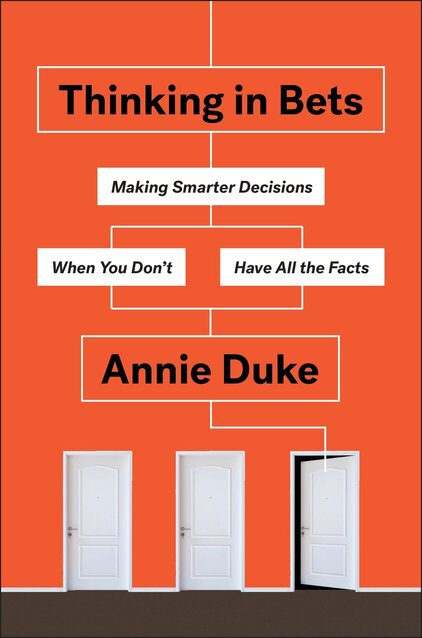
Title: Thinking in Bets: Making Smarter Decisions When You Don’t Have All the Facts Author: Annie Duke
In Thinking in Bets, former World Series of Poker champion turned business consultant, Annie Duke, shares strategies from the world of poker, business, sports, politics; on how anyone can embrace uncertainty and make better decisions. Professional poker players are comfortable with the fact that great decisions don’t always lead to great outcomes and bad decisions don’t always lead to bad outcomes.
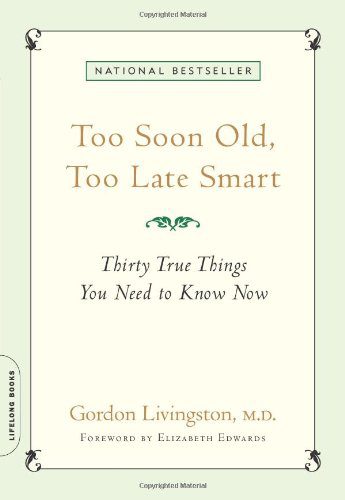
Too Soon Old, Too Late Smart: Thirty True Things You Need to Know Now is a collection of thirty common sense wisdom by the celebrated psychologist and military veteran Dr. Gordon Livingston. He reflects on the lessons learned from his patients, time in the US Army, and most importantly on the roller coaster of life.
The only thing more unthinkable than leaving was staying; the only thing more impossible than staying was leaving. – Eat, Pray, Love
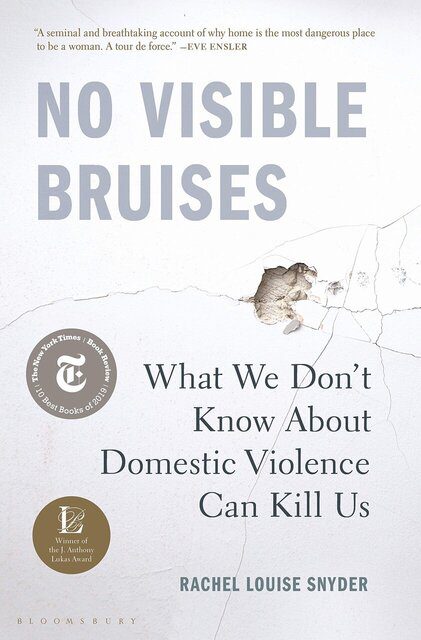
In No Visible Bruises, journalist Rachel Louise Snyder examines how domestic violence is a pressing social crisis and is at the root of other crimes such as mass shootings, familicides, homicides, etc. Despite the World Health Organization deeming it a ‘global epidemic’. In America, domestic violence accounts for 15 percent of all violent crime, and yet it remains locked in silence.
In America, domestic violence accounts for 15% of all violent crime.
Our family and friends easily oversimplify domestic Violence; the common response to emotional and domestic abuse by our loved one is usually: “If he hits you, just leave,” “why did you stay?”. Rachel shares many stories of domestic violence, the complexity, societal stigma, and tools to deal with domestic violence issues.
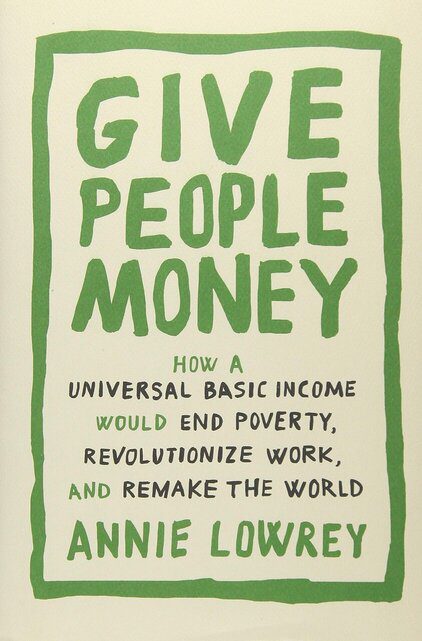
American Journalist Annie Lowrey examines the Universal Basic Income (UBI) movement, the challenges the movement faces: contradictory aims, uncomfortable cost, and the belief that no one should get something for nothing. She delves into the history of welfare programs, the coming of the machines, and the inherent technological unemployment, the need for policies that would prepare us for a world with mass unemployment.
As Lowrey notes – a UBI—giving people money—is not just a solution to our problems, but a better foundation for our society in this age of marvels.
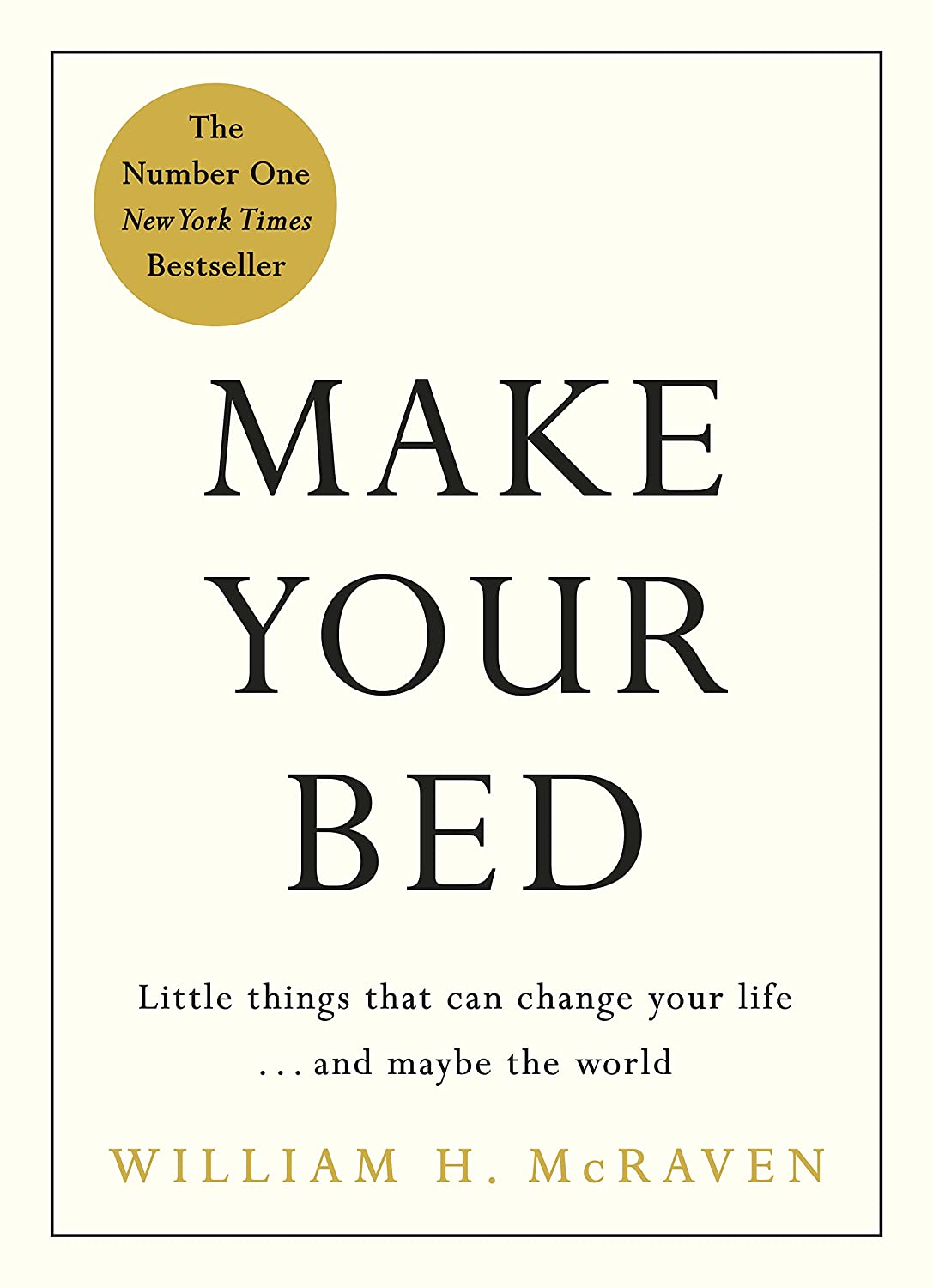
On May 14, 2014, Naval Admiral William H. McRaven delivered an inspiring commencement speech to the 2014 graduating class of the University of Texas at Austin. Taking inspiration from the University of Texas slogan, “What starts here changes the world,” he shared the ten principles he learned during Navy Seal training that helped him overcome challenges not only in his training and long Naval career but also throughout his life. He explained how anyone could use these basic lessons to change themselves and the world for the better.
The speech went viral and it lead the Admiral to write a short book about the simple lessons he learned about overcoming the trials of SEAL training and the challenges of life. The core of the Make your bed book is:
“Remember… start each day with a task completed. Find someone to help you through life. Respect everyone. Know that life is not fair and that you will fail often. But if you take some risks, step up when times are toughest, face down the bullies, lift up the downtrodden, and never, ever give up—if you do these things, then you can change your life for the better… and maybe the world!”
Admiral William H. McRaven (U.S. Navy retired) served with great distinction in the Navy. In his thirty-seven years as a Navy SEAL, he commanded at every level. As a Four-Star Admiral, his final assignment was as Commander of all U.S. Special Operations Forces. He is now Chancellor of the University of Texas System.