Category

Book Summaries

Category

“ If you fear you may be in any danger or your abuser has shown violent tendencies in the past, do not confront a narcissist directly.”


In The Highly Sensitive Person’s Survival Guide to Dealing with Toxic People,
author Shahida Arabi highlights how HSPs can use their sensitivity to listen to their instincts about these con artists, rather than continually betraying your inner voice.

In The Highly Sensitive Person’s Survival Guide to Dealing with Toxic People, you’ll learn evidence-based skills grounded in cognitive-behavioral therapy (CBT) and dialectical behavior therapy (DBT) to help you recognize and shut down the common manipulation tactics used by toxic people, such as gaslighting, stonewalling, projection, covert put-downs, and love bombing.
Psychological abuse leaves no bruises. There are no broken bones. There are no holes in the walls. The bruises, brokenness, and holes are held tightly within the target of the abuse.

In Healing from Hidden Abuse: A Journey Through the Stages of Recovery from Psychological Abuse, author and certified trauma therapist Shannon Thomas describes a roadmap for healing from hidden psychological abuse. What makes Psychological abuse challenging to explain “Psychological abuse leaves no bruises. There are no broken bones. There are no holes in the walls. The bruises, brokenness, and holes are held tightly within the target of the abuse.” Most Psychological abuse survivors don’t have the right language, insights, and strategies to navigate the roller coaster of living or dealing with someone with a personality disordered individual.

Shanon shed more light on the favorite tools of the Psychological abuser such as Gaslighting, Hoovering, use of flying monkeys, smear campaign, Intermittent Reinforcement, etc. She also explains the six stages for recovering from Psychological abuse.

We do not remember dayswe remember moments. The richness of life lies in memories we have forgotten.” – Cesare Pavese.

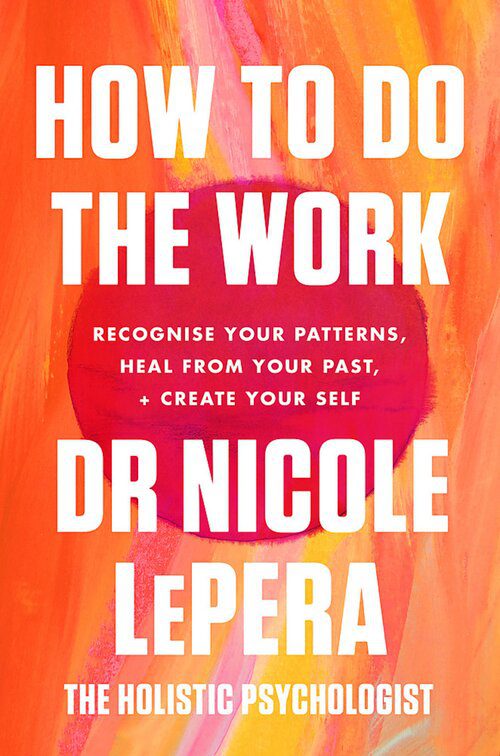
In How to Do the Work, clinical psychologist, and creator of “the holistic psychologist“, Dr. Nicole LePer offers both a manifesto for SelfHealing as well as an essential guide to creating a more vibrant, authentic, and joyful life. Dr. LePera describes how adverse experiences and trauma in childhood live with us, resulting in whole-body dysfunction—activating harmful stress responses that keep us stuck engaging in patterns of codependency, emotional immaturity, and trauma bonds. Unless addressed, these self-sabotaging behaviors can quickly become cyclical, leaving people feeling unhappy, unfulfilled, and unwell. 

It’s not that we heal and then we start living again, it’s that we make thedecision to start living again, and that’s when we start to heal.

In Out of the Fog, licensed psychotherapist, Dana Morningstar compares and contrasts healthy and unhealthy behaviors, strategies for getting out of the fog of confusion in abusive relationships, and into the clarity of building healthy relationships. Dana does a great job comparing and contrasting what a good, normal, healthy relationship is and what crazymaking, abusive, manipulative relationships look like. If you have been in a relationship with a narcissist, psychopath, sociopath, and other personality disordered individuals, you would relate to most of the behaviors and characteristics of the emotionally manipulative.

John C. Maxwell was asked a question that changed the course of his life by Curt Kampmeier, he asked: “Do you have a plan for your personal growth?”. In The 15 Invaluable Laws of Growth, author and speaker John C. Maxwell shares 15 strategies and insights for developing a personal growth plan.

“To reach your potential you must grow. And to grow, you must be highly intentional about it”

In Breaking the Social Media Prism, Duke Professor, Author, and Director of the Polarization Lab  Chris Bail challenges common myths about echo chambers, foreign misinformation campaigns, and radicalizing algorithms, revealing that the solution to political tribalism lies deep inside ourselves. Drawing on innovative online experiments and in-depth interviews with social media users from across the political spectrum, bail explains why stepping outside of our echo chambers can make us more polarized, not less.

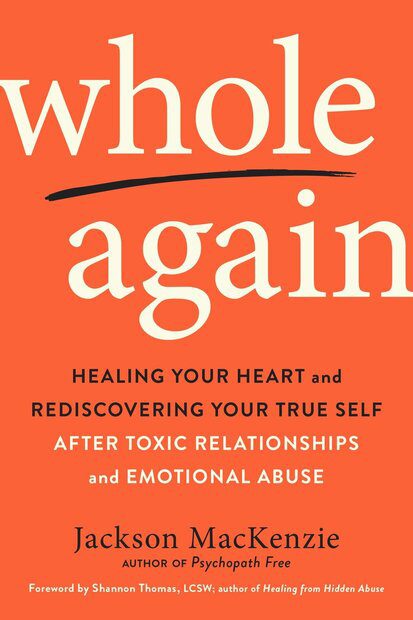
In Whole Again, author and co-founder of PsychopathFree.com, Jackson MacKenzie describes strategies for healing and surviving a toxic relationship. The book addresses and provides guidance on topics and conditions like complex PTSD, Cluster-B Disorder, Narcissistic abuse, Avoidant Personality Disorder, perfectionism, trauma, attachment disorders, Codependency, Core wounding, toxic shame, Borderline Personality Disorder, or the aftermath of an abusive relationship.

 
Whole Again offers hope and multiple strategies to anyone who has survived a toxic relationship, as well as anyone suffering the effects of a breakup involving lying, cheating and other forms of abuse–to release old wounds and safely let the love back inside where it belongs.

“Boundaries are not common sense; they’re taught.”

In Set Boundaries, Find Peace, Licensed counselor Therapist and New York Times Bestselling Author Nedra Tawwab presents simple-yet-powerful ways to establish healthy boundaries in all aspects of life. Rooted in the latest research and best practices used in cognitive behavioral therapy (CBT), these techniques help us identify and express our needs clearly and without apology–and unravel a root problem behind codependency, power struggles, anxiety, depression, burnout, and more.

There are no grown-ups. Everyone is winging it; some just do it more confidently.

Part frank memoir, part hilarious investigation of daily life, In There Are No Grown-Ups, author and New York Times contributor Pamela Druckerman writes about midlife, the quest to figuring out the world, and finding out your path.

“Always position your customer as the hero and your brand as the guide. Always. If you don’t, you will die.”

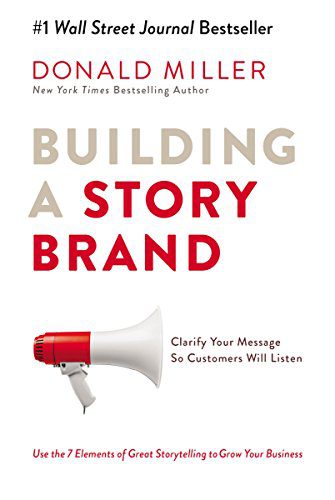
 In Building a StoryBrand, American author and public speaker Donald Miller presents the StoryBrand 7 Part Framework inspired by principles of storytelling.
In a world filled with constant, on-demand distractions, it has become near-impossible for business owners to effectively cut through the noise to reach their customers, Miller shares the proven system he has created to help you engage and truly influence customers.

Telling a compelling story can have a profound impact on a business, influencing audiences and captivating an audience. It turns customers into converts. It transforms employees into evangelists. Executives into leaders. It changes the nature and impact of marketing, and perhaps most importantly, it can change how we see ourselves.

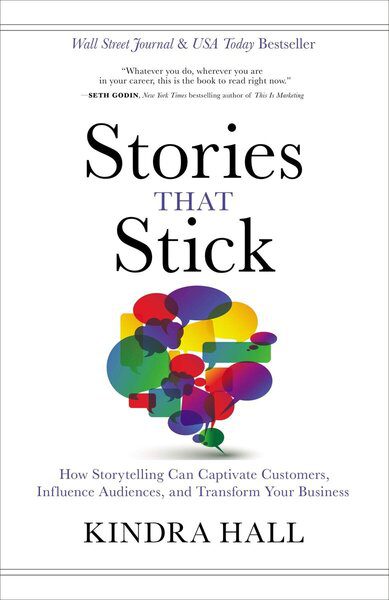
In Stories That Stick, Kindra Hall, professional storyteller, author, and speaker, reveals the four unique stories you can use to differentiate, captivate, and elevate:  

  • the Value Story, to convince customers they need what you provide;
  • the Founder Story, to persuade investors and customers your organization is worth the investment;
  • the Purpose Story, to align and inspire your employees and internal customers; and
  • the Customer Story, to allow those who use your product or service to share their authentic experiences with others.


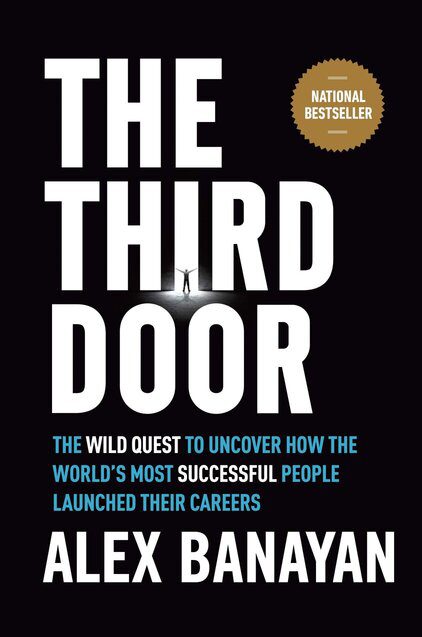
The Third Door
takes readers on an unprecedented adventure–from hacking Warren Buffett’s shareholder’s meeting to chasing Larry King through a grocery store to celebrating in a nightclub with Lady Gaga–as Alex Banayan travels from icon to icon, decoding their success. After remarkable one-on-one interviews with Bill Gates, Maya Angelou, Steve Wozniak, Jane Goodall, Larry King, Jessica Alba, Pitbull, Tim Ferriss, Quincy Jones, and many more, Alex discovered the one key they have in common: they all took the Third Door.

Gaslighting is portrayed as a type of diligent control and mentally programming that makes the unfortunate casualty question her or himself, and at last lose her or his feeling of recognition, personality, and self-esteem.

Do you have someone in your life who keeps belittling your concerns and making you feel like your concerns about something are invalid?

Does it always feel like you are always misunderstanding him/her because any time you point out something they said, they always turn things around to make you look like you have no idea of what you are saying?

If this is where you find yourself, then you are definitely dealing with a gaslighter. A gaslighter usually wants to manipulate you by doing or saying things that will question your reality, perceptions, and memory. They will make it seem like you are always misunderstanding them or misquoting them, you are always making a mountain out of a molehill, that your concerns are not valid. You may then end up not being free to express yourself, which can negatively affect your self-esteem, and make you doubt everything about yourself.

“Narcissism, like strong drink, has its place and its purpose; it braces and emboldens and offers a wonderfully primal pleasure. Indulging in it too deeply, however, leaves you sorry and sick and wishing you’d been more moderate in your pleasures.”

Author and senior writer at Time magazine, Jeffrey Kluger, in his illuminating book – The Narcissist Next Door writes: Narcissists are everywhere – They are politicians, entertainers, business people, your spouse, family members, friends, peers, colleagues, relationships. Recognizing and understanding them is crucial to your not being overtaken by them.

Narcissists are, in a sense, emotional muggers, people who assault their victims with a combination of stealth and misdirection—leaping out at them in situations and at times when they have a right to feel safe and taking what they want.

Narcissism, like strong drink, has its place and its purpose; it braces and emboldens and offers a wonderfully primal pleasure. Indulging in it too deeply, however, leaves you sorry and sick and wishing you’d been more moderate in your pleasures. We would feel poorer in a world without liquid spirits, just as we would without the manifold elements of the human spirit. But they are all volatile spirits. They effervesce and enliven or they singe and scald. The difference, as with so many things, is in knowing how to control them.